Beyond New START: China, France & UK Must Be Brought Into Any Nuclear Deal - Analyst
© Сollage by RIA Novosti
Subscribe
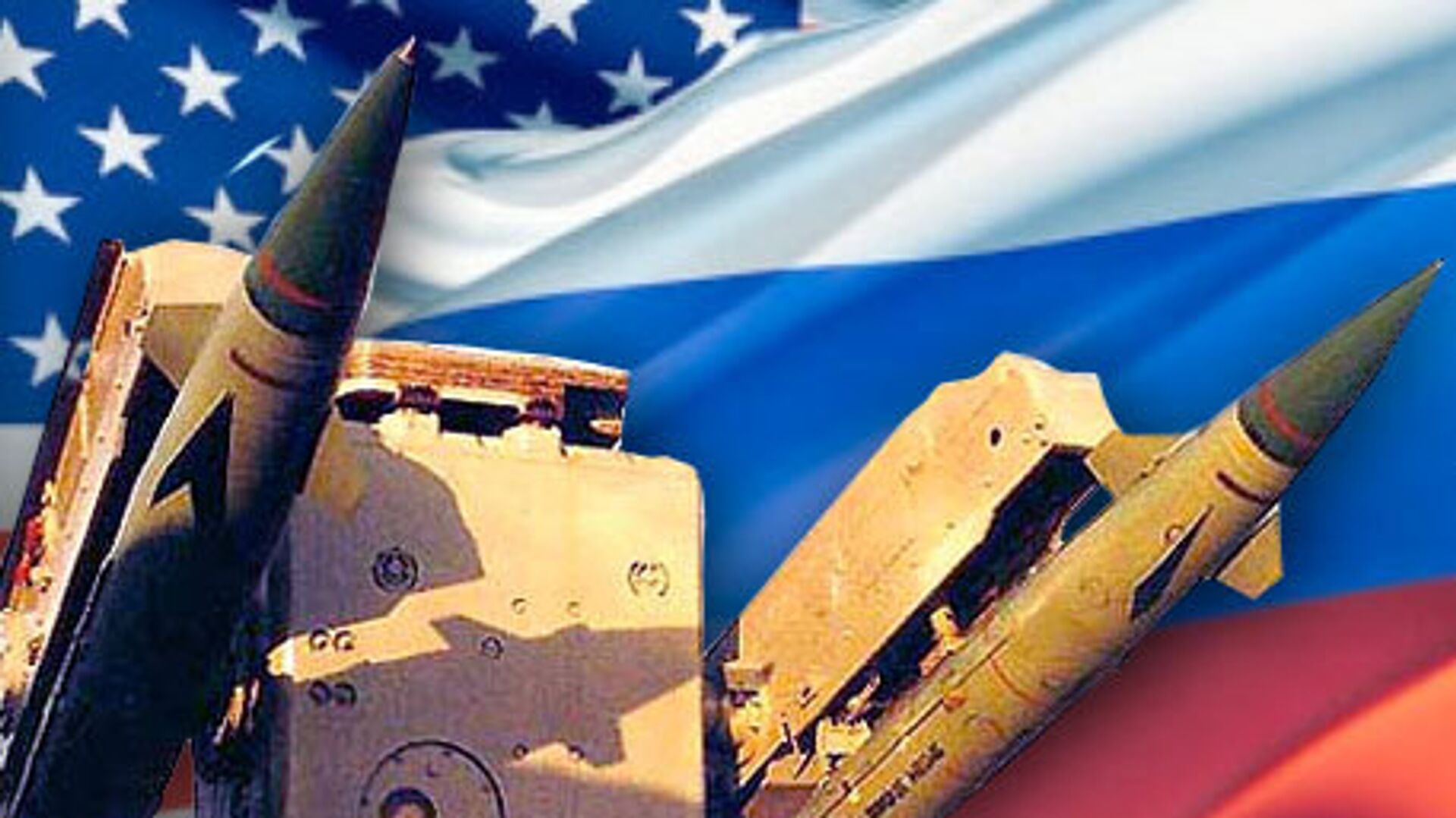
While extending the New START treaty – as Russia suggests – is a “pragmatic option,” the ideal outcome would be a new text that takes into account not only the nuclear arsenals of the US and Russia, but also those of China, France, and the UK, says Dmitry Stefanovich, founder of the Vatfor Project.
NATO members France and the UK are actively building a ‘nuclear umbrella’ over Europe “aimed squarely at Russia,” Dmitry Stefanovich tells Sputnik, so they must be part of any future talks.
“Achieving that would require continuous, sustained engagement — something that is currently almost completely frozen,” says the expert.
US Looks Beyond Old Limits
Given China’s fast-growing nuclear arsenal, many US policymakers now see the need to exceed previous bilateral agreements with Russia, Stefanovich speculates.
“China possesses the capacity to destroy the US outright — and that capability is expanding at a pace Washington struggles to match,” the think tank fellow says.
However, Trump’s proposal for a new agreement that includes China is unrealistic in the short term, since arms control diplomacy “requires years of painstaking negotiations.”
🚨 US and Russia will negotiate even after New START expires — expert
— Sputnik (@SputnikInt) February 2, 2026
"It is not too late for the leaders of the 2 countries to put the world on a safer path by taking reasonable steps to reduce the nuclear threat," Daryl Kimball, executive director of the US ACA, told Sputnik. https://t.co/Hs7jXlpBDU pic.twitter.com/2jqIFM9Bau
China Weighs Costs vs Benefits
As competition with the US moves from economics to deterrence, China, which promotes a no-first-use policy for nuclear weapons, is warming to the idea of rules, notes the expert. However, it is “opting to shore up vulnerabilities” first.
For China, “the costs of limiting its arsenal outweigh the benefits of joining formal agreements,” speculates the expert.
As for Russia and China, they already have a successful track record of bilateral arrangements, such as those on ballistic missile launch notifications, along with multilateral documents limiting military activity in border regions.
“China understands the value of such mechanisms when they align with its interests,” notes the analyst.
Ultimately, how this all develops will depend not only on the fate of New START, but also on the outcome of the upcoming spring Review Conference of the Nuclear Non-Proliferation Treaty, Stefanovich concludes.
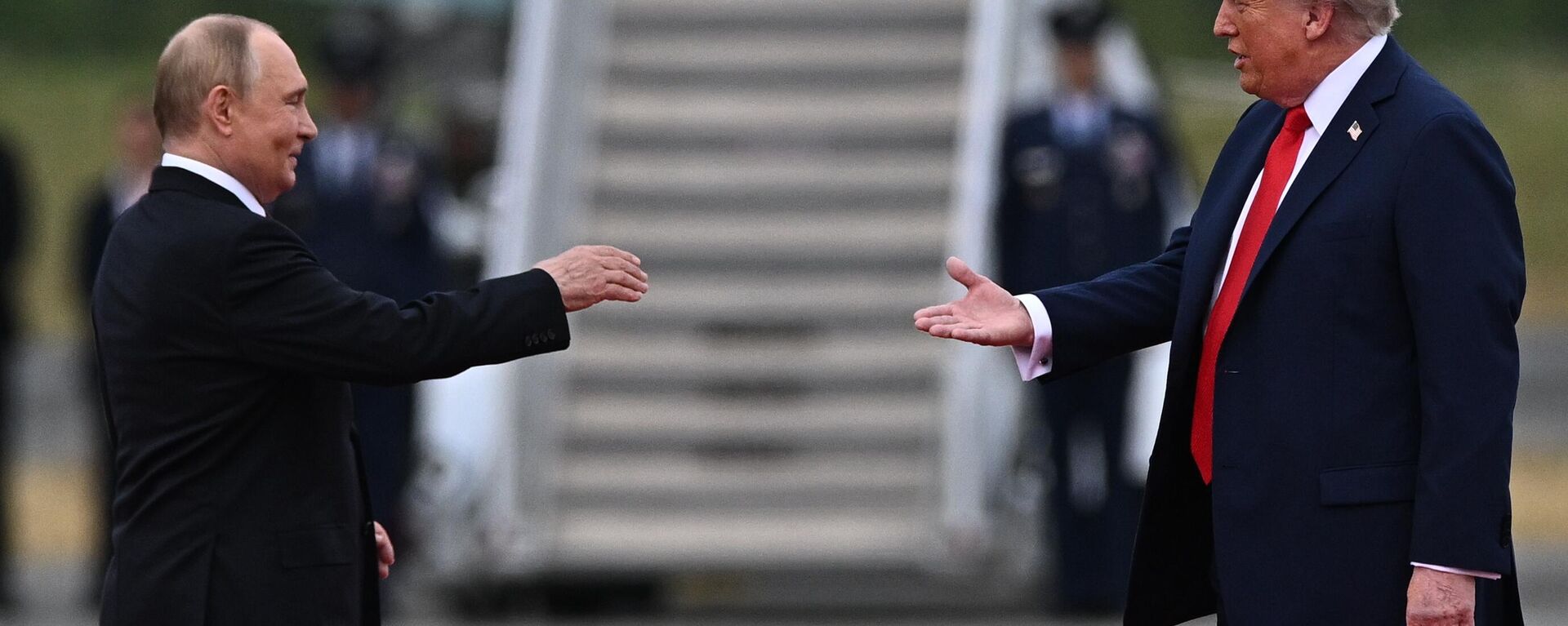
President Vladimir Putin previously announced that Russia was ready to continue adhering to the New START limitations for one year after its February 2026 expiration, but only if the United States reciprocated. In response, US President Donald Trump reportedly called the proposal "a good idea."
Kremlin spokesman Dmitry Peskov said on January 29 that the United States had not yet responded to Russia's initiative regarding the treaty.
2 February, 03:59 GMT