https://sputnikglobe.com/20260308/media-may-keep-quiet-on-gulf-crisis-to-avoid-economic-destabilization-ecologist-1123790911.html
Media May Keep Quiet on Gulf Crisis to Avoid Economic Destabilization - Ecologist
Media May Keep Quiet on Gulf Crisis to Avoid Economic Destabilization - Ecologist
Sputnik International
The ongoing conflict in the Persian Gulf creates a clear risk of environmental disaster due to oil spills, ecologist Artyom Akshintsev tells Sputnik.
2026-03-08T18:47+0000
2026-03-08T18:47+0000
2026-03-09T14:36+0000
analysis
persian gulf
strait of hormuz
environmental disaster
https://cdn1.img.sputnikglobe.com/img/107584/39/1075843976_0:105:2000:1230_1920x0_80_0_0_f71a2212abca560d05836ee579b9d49a.jpg
The Gulf War of 1991 - when up to 8 million barrels of oil ended up pouring into the sea - is a textbook example of what damage a massive oil spill could cause, he explains.The cleanup effort back then cost about $13 billion, but much of the spilled oil was never collected.The fact that the Persian Gulf is relatively shallow, small and has little water exchange with the open sea further complicates matters, the ecologist notes: the diffusion rate of pollutants is low while oil can end up accumulating in the sediment and remain there for a long time.Attacks on tankers in the Strait of Hormuz create serious risks for Gulf states such as Iran, Kuwait, UAE, Qatar and Oman, Akshintsev observes.Many of these countries, he points out, depend on drinking water produced through desalination, and their desalination plants are not designed to purify water polluted by oil.Regarding the apparent media silence, Akshintsev suggests that it may be deliberate.After all, he argues, any official confirmation that the Persian Gulf – a vital energy artery – is on the verge of collapse could cause panic on energy markets, and the ensuing price spike would hit Western economies hard.“The media may deliberately avoid stoking tensions to avoid economic destabilization,” he says.
https://sputnikglobe.com/20260308/war-against-iran-could-be-catastrophic-for-environment-in-persian-gulf--expert-1123787621.html
persian gulf
strait of hormuz
Sputnik International
feedback@sputniknews.com
+74956456601
MIA „Rossiya Segodnya“
2026
Sputnik International
feedback@sputniknews.com
+74956456601
MIA „Rossiya Segodnya“
News
en_EN
Sputnik International
feedback@sputniknews.com
+74956456601
MIA „Rossiya Segodnya“
Sputnik International
feedback@sputniknews.com
+74956456601
MIA „Rossiya Segodnya“
persian gulf oil spill risk
persian gulf oil spill risk
Media May Keep Quiet on Gulf Crisis to Avoid Economic Destabilization - Ecologist
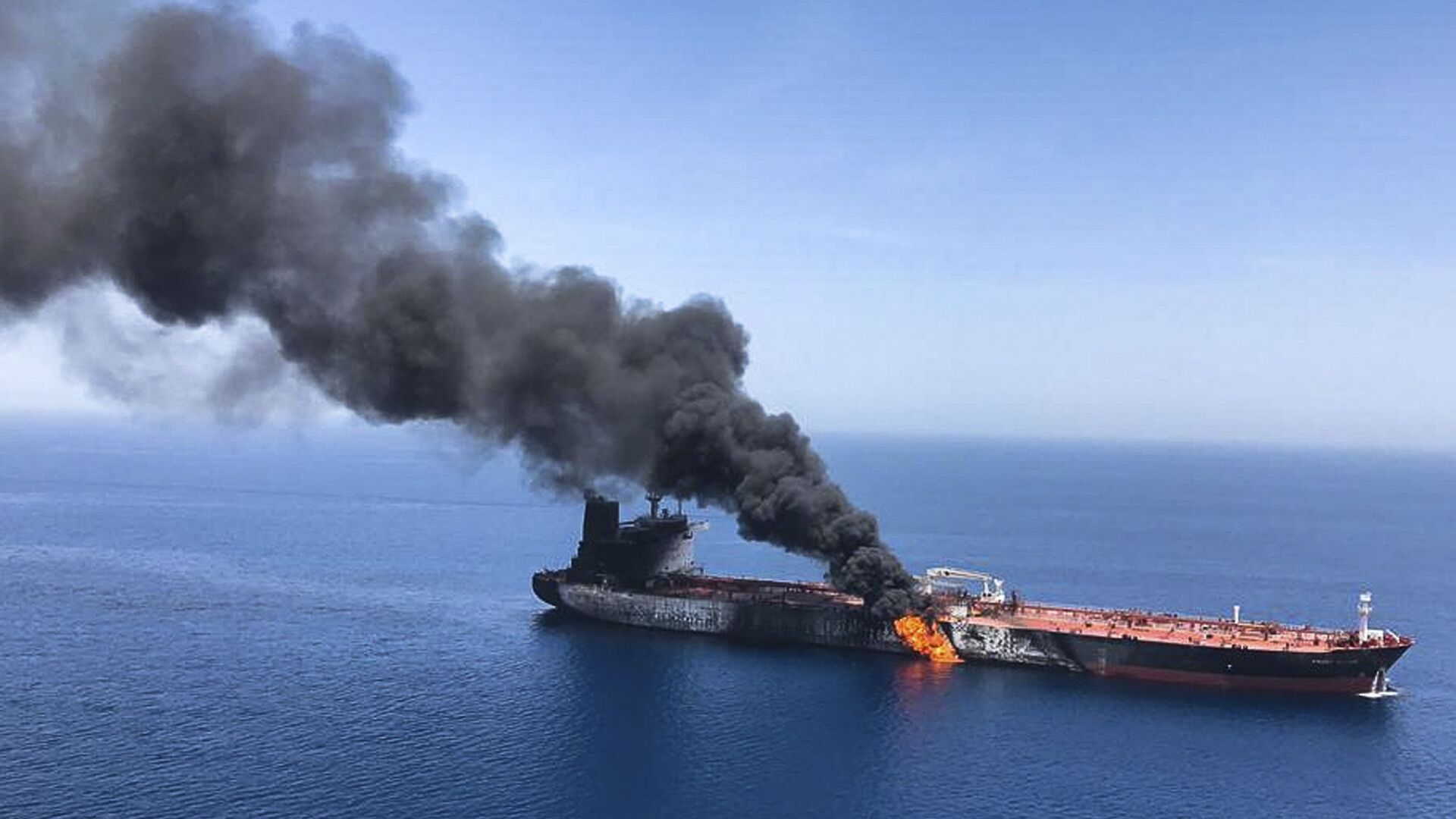
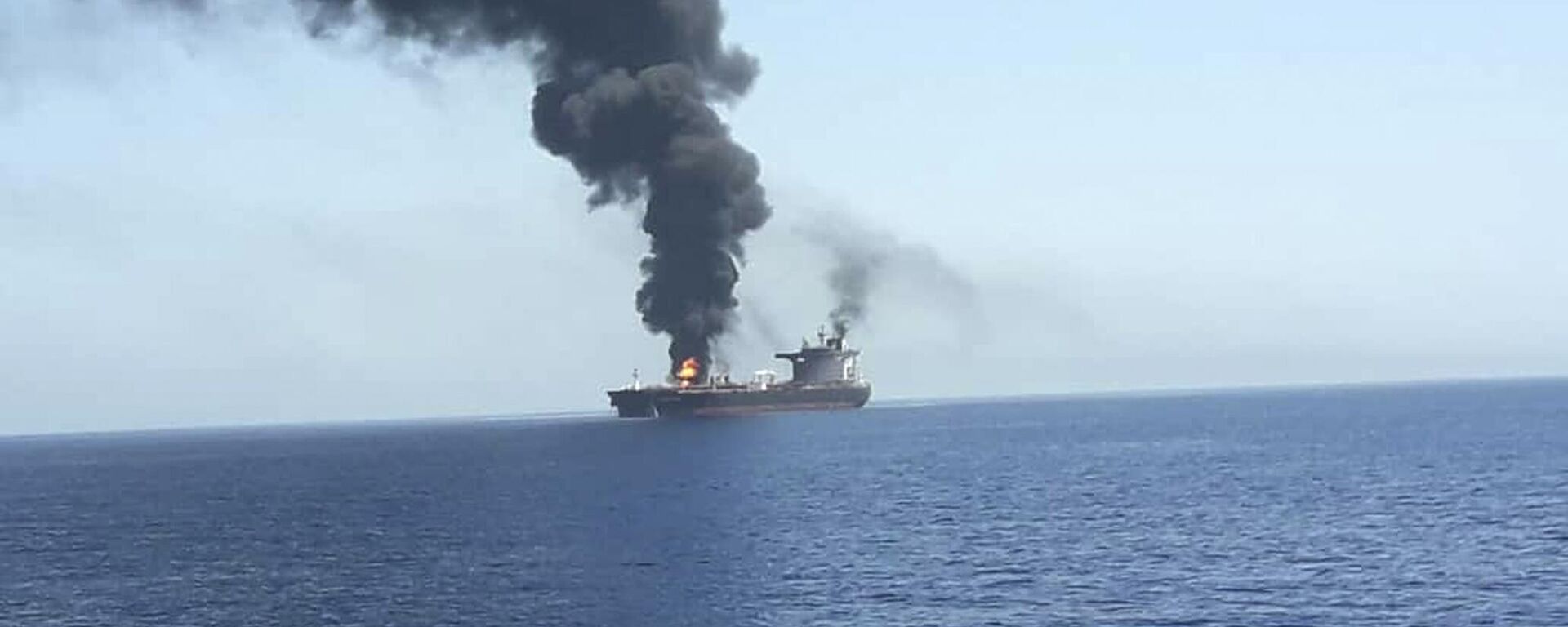
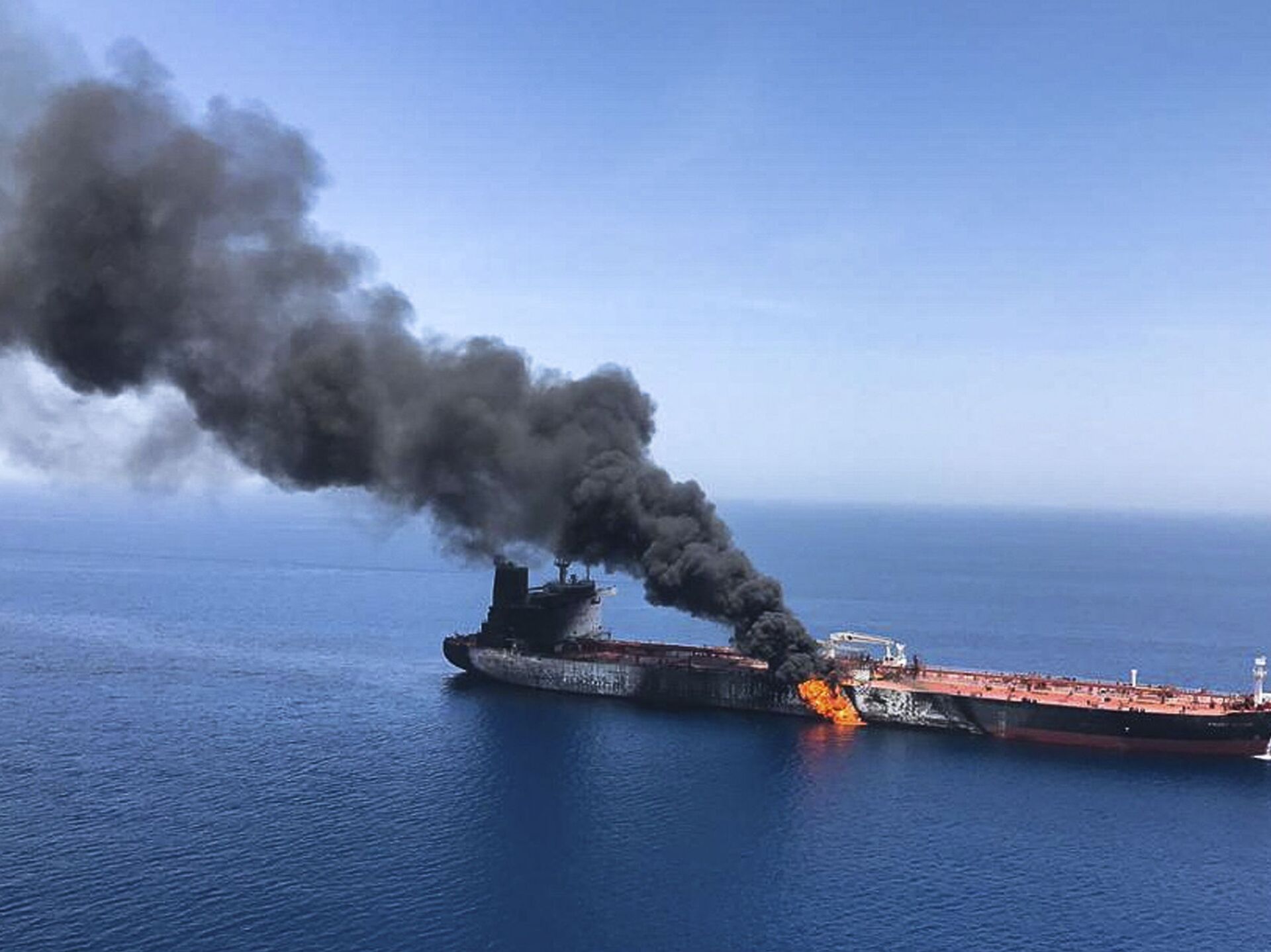
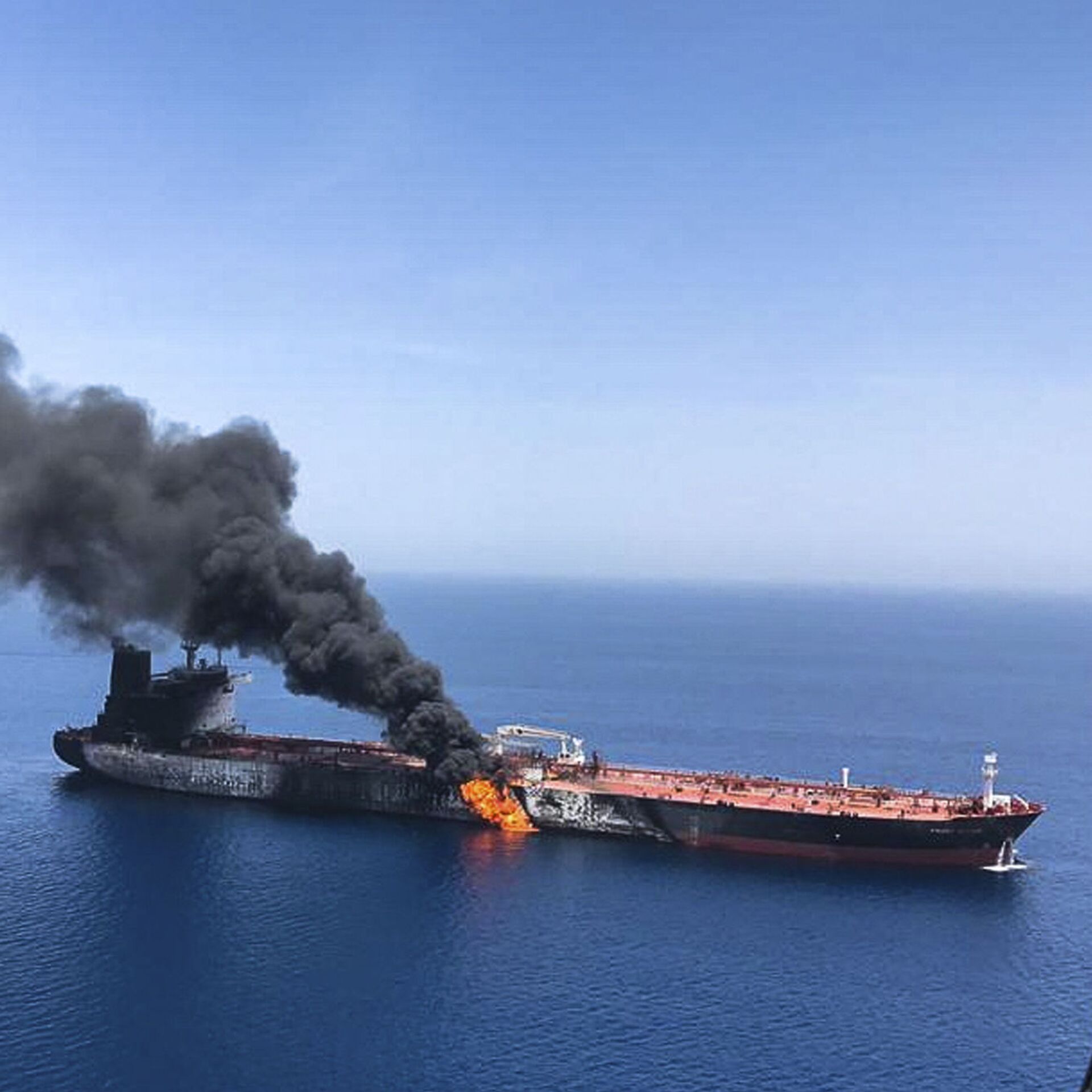
18:47 GMT 08.03.2026 (Updated: 14:36 GMT 09.03.2026) The ongoing conflict in the Persian Gulf creates a clear risk of environmental disaster due to oil spills, ecologist Artem Akshintsev tells Sputnik.
The Gulf War of 1991 - when up to 8 million barrels of oil ended up pouring into the sea - is a textbook example of what damage a massive oil spill could cause, he explains.
“The effect on the ecosystem was catastrophic: fish, shellfish and crabs were dying, sea flora was degraded,” Akshintsev says. “Over 30,000 birds perished on land; on some beaches, there was an oil film up to 13 centimeters thick, while the total length of polluted beaches measured in hundreds, even in thousands of kilometers.”
The cleanup effort back then cost about $13 billion, but much of the spilled oil was never collected.
The fact that the Persian Gulf is relatively shallow, small and has little water exchange with the open sea further complicates matters, the ecologist notes: the diffusion rate of pollutants is low while oil can end up accumulating in the sediment and remain there for a long time.
Attacks on tankers in the Strait of Hormuz create serious risks for Gulf states such as Iran, Kuwait, UAE, Qatar and Oman, Akshintsev observes.
Many of these countries, he points out, depend on drinking water produced through desalination, and their desalination plants are not designed to purify water polluted by oil.
Regarding the apparent media silence, Akshintsev suggests that it may be deliberate.
After all, he argues, any official confirmation that the Persian Gulf – a vital energy artery – is on the verge of collapse could cause panic on energy markets, and the ensuing price spike would hit Western economies hard.
“The media may deliberately avoid stoking tensions to avoid economic destabilization,” he says.