https://sputnikglobe.com/20260309/putin-destabilizing-middle-east-risks-global-energy-shock-and-higher-oil-gas-prices-1123796875.html
Putin: Destabilizing Middle East Risks Global Energy Shock and Higher Oil and Gas Prices
Putin: Destabilizing Middle East Risks Global Energy Shock and Higher Oil and Gas Prices
Sputnik International
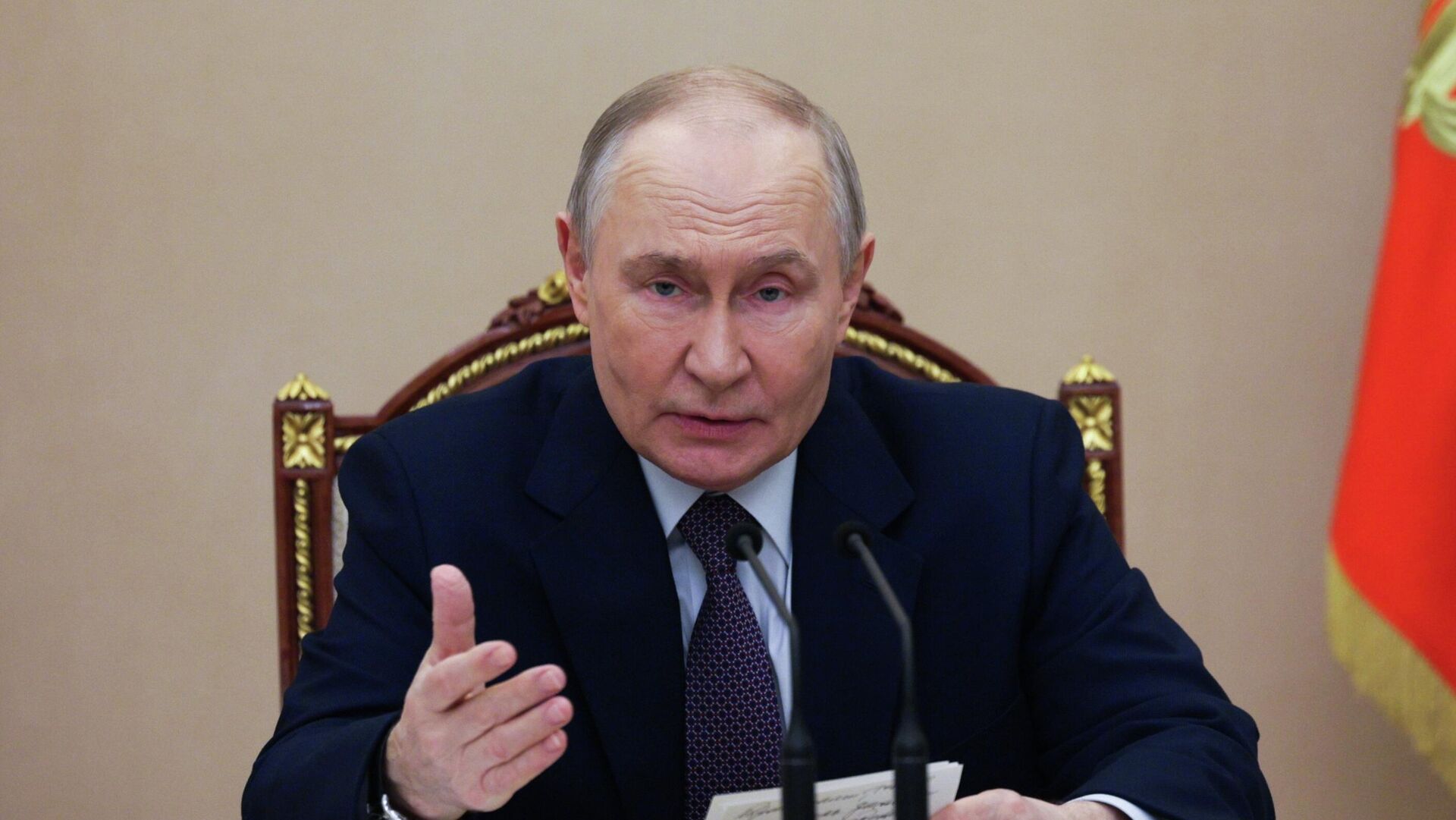
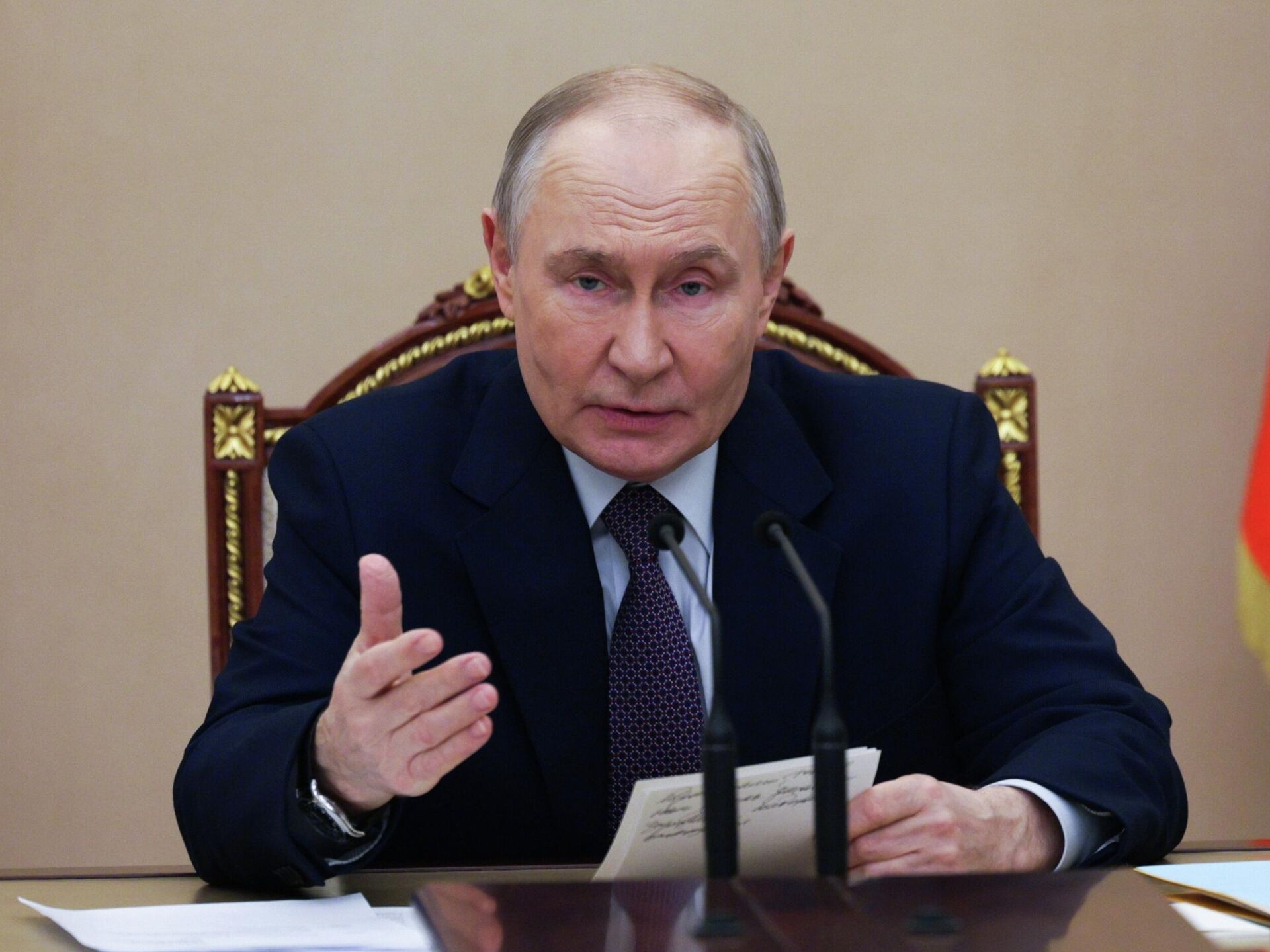
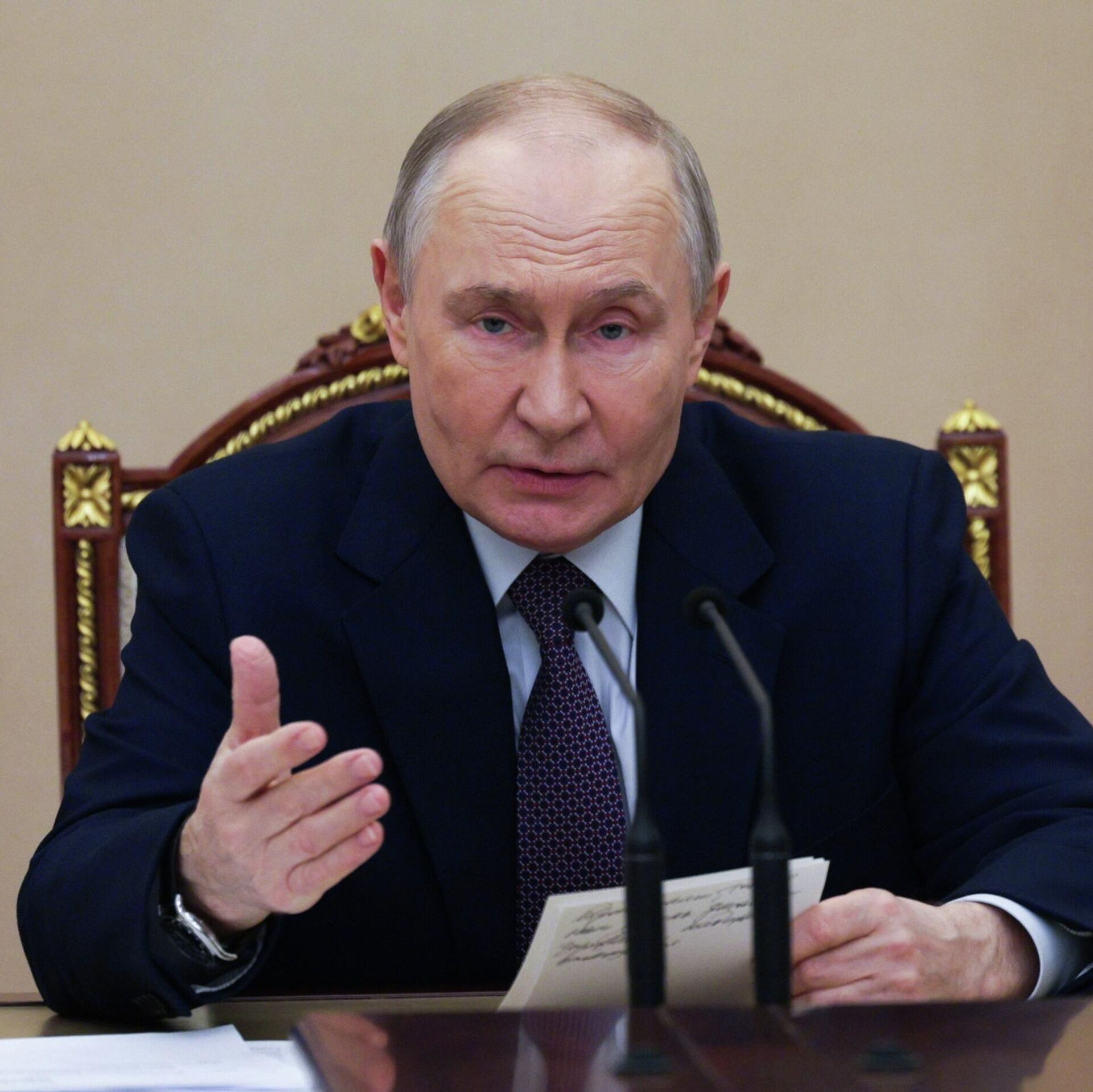
Attempts to destabilize the Middle East would put the global fuel and energy sector at risk and drive up oil and gas prices, Russian President Vladimir Putin said.
2026-03-09T15:53+0000
2026-03-09T15:53+0000
2026-03-09T17:03+0000
russia
vladimir putin
business
strait of hormuz
oil
oil prices
https://cdn1.img.sputnikglobe.com/img/07ea/03/09/1123797274_0:0:2822:1588_1920x0_80_0_0_58e1ac9291a503c42c88d68438b20037.jpg
“Attempts to destabilize the situation in the Middle East would inevitably put the global fuel and energy sector at risk, push up oil and gas prices, restrict supplies of these resources worldwide, and undoubtedly disrupt long-term investment plans,” Putinr told a meeting on the global oil and gas market.About one-third of the world’s seaborne oil exports passed through the Strait of Hormuz in 2025, the Russian leader noted.Oil production in the Persian Gulf could come to a complete halt within a month, he warned, noting that output had already begun to decline.Putin stressed that global oil prices had risen by more than 30% over the past week.Earlier in the day prices topped $119 per barrel before falling to around $107, but volatility continues and the overall trend remains upward.Global gas prices are also rising at a faster pace than oil, he added.Putin stressed that Russian energy firms had always been known for stability, particularly when competition among buyers for reliable suppliers had intensified. Global energy supply would increasingly shift toward more promising and profitable markets, he predicted, adding that if Russia redirects exports to markets where demand for energy is growing, it could gain a lasting foothold there.Putin said Russia would cooperate with European countries on oil and gas supplies if they are willing to guarantee stable conditions.In the meantime, Russia will keep supplying energy to 'reliable partners' in the Asia-Pacific region and the Eastern European states of Slovakia and Hungary.
https://sputnikglobe.com/20260309/oil-prices-surge-to-highest-levels-in-four-years-1123794685.html
strait of hormuz
Sputnik International
feedback@sputniknews.com
+74956456601
MIA „Rossiya Segodnya“
2026
Sputnik International
feedback@sputniknews.com
+74956456601
MIA „Rossiya Segodnya“
News
en_EN
Sputnik International
feedback@sputniknews.com
+74956456601
MIA „Rossiya Segodnya“
Sputnik International
feedback@sputniknews.com
+74956456601
MIA „Rossiya Segodnya“
attempts to destabilize the middle east would put the global fuel and energy sector at risk and drive up oil and gas prices, russian president vladimir putin said
attempts to destabilize the middle east would put the global fuel and energy sector at risk and drive up oil and gas prices, russian president vladimir putin said
Putin: Destabilizing Middle East Risks Global Energy Shock and Higher Oil and Gas Prices
15:53 GMT 09.03.2026 (Updated: 17:03 GMT 09.03.2026) Attempts to destabilize the Middle East would put the global fuel and energy sector at risk and drive up oil and gas prices, Russian President Vladimir Putin said.
“Attempts to destabilize the situation in the Middle East would inevitably put the global fuel and energy sector at risk, push up oil and gas prices, restrict supplies of these resources worldwide, and undoubtedly disrupt long-term investment plans,” Putinr told a meeting on the global oil and gas market.
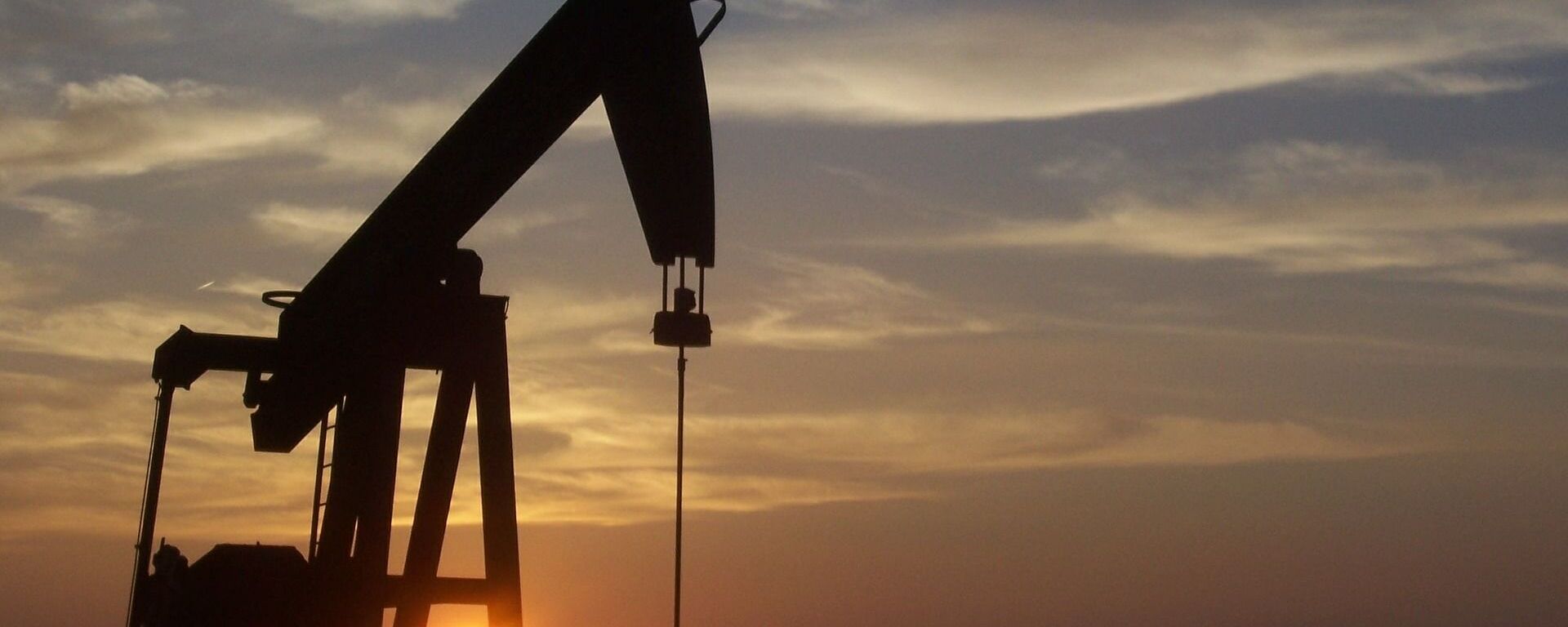
About one-third of the world’s seaborne oil exports passed through the Strait of Hormuz in 2025, the Russian leader noted.
“Last year roughly a third of global seaborne oil exports moved through the Strait of Hormuz — around 14 million barrels per day," Putin said. "About 80% of that volume was destined for the Asia-Pacific region. At the moment this route is effectively closed.”
Oil production in the Persian Gulf could come to a complete halt within a month, he warned, noting that output had already begun to decline.
Putin stressed that global oil prices had risen by more than 30% over the past week.
Earlier in the day prices topped $119 per barrel before falling to around $107, but volatility continues and the overall trend remains upward.
Global gas prices are also rising at a faster pace than oil, he added.
Putin stressed that Russian energy firms had always been known for stability, particularly when competition among buyers for reliable suppliers had intensified.
Global energy supply would increasingly shift toward more promising and profitable markets, he predicted, adding that if Russia redirects exports to markets where demand for energy is growing, it could gain a lasting foothold there.
Putin said Russia would cooperate with European countries on oil and gas supplies if they are willing to guarantee stable conditions.
“We are ready to work with the Europeans as well, but we need some signals from them that they are prepared and also want to cooperate, and that they will ensure stability and reliability for us,” Putin said.
In the meantime, Russia will keep supplying energy to 'reliable partners' in the Asia-Pacific region and the Eastern European states of Slovakia and Hungary.