https://sputnikglobe.com/20260322/iran-beats-us--israeli-missile-defenses-by-exploiting-their-weaknesses--1123878394.html
Iran Beats US & Israeli Missile Defenses by Exploiting Their Weaknesses
Iran Beats US & Israeli Missile Defenses by Exploiting Their Weaknesses
Sputnik International
Air defense systems like THAAD and Iron Dome may be highly capable but they still struggle with combined missile and drone attacks from multiple directions -Imad Salamey, associate professor at the Lebanese American University
2026-03-22T18:45+0000
2026-03-22T18:45+0000
2026-03-22T18:47+0000
israel
thaad
iron dome
iran
analysis
https://cdn1.img.sputnikglobe.com/img/07ea/03/16/1123878496_0:92:3071:1819_1920x0_80_0_0_89a5089854c80372ddfb74a1b10c7b37.jpg
Air defense systems like THAAD and Iron Dome may be highly capable but they still struggle with combined missile and drone attacks from multiple directions, Imad Salamey, associate professor at the Lebanese American University, tells Sputnik. “The vulnerability exposed here is not a single system failure, but the limits of even advanced layered defenses when overwhelmed by scale, coordination, and mixed attack profiles,” he explains in the wake of Iranian strikes against Dimona and Arad. The cost of US missile defenses’ failure The exposed weakness of the US missile defenses carries significant strategic implications for the Middle East, Salamey notes, as such weapons are widely used to protect US assets across the region. The US opponents now see that missile and drone tech offer a cost-effective way to fight “technologically superior opponents” while the United States could be forced to reassess its force posture and “invest in more integrated defense architectures.” What Iran’s control of Israeli airspace could mean If Iran shows that it can strike high-value targets in Israel repeatedly, it would shift the dynamics of this conflict, Salamey adds. By thus imposing higher costs on Israel and compounding its “freedom of action,” Iran may either push the conflict toward either escalation or “toward indirect negotiation, as both sides weigh the rising risks and diminishing returns of continued attacks.”
https://sputnikglobe.com/20260322/irans-dimona-strike-shatters-myth-of-impenetrable-thaad-patriot--arrow-air-defenses---analyst-1123876782.html
israel
iran
Sputnik International
feedback@sputniknews.com
+74956456601
MIA „Rossiya Segodnya“
2026
Sputnik International
feedback@sputniknews.com
+74956456601
MIA „Rossiya Segodnya“
News
en_EN
Sputnik International
feedback@sputniknews.com
+74956456601
MIA „Rossiya Segodnya“
Sputnik International
feedback@sputniknews.com
+74956456601
MIA „Rossiya Segodnya“
us-israeli aggression against iran, iran war, iran attacks dimona, israeli missile defense
us-israeli aggression against iran, iran war, iran attacks dimona, israeli missile defense
Iran Beats US & Israeli Missile Defenses by Exploiting Their Weaknesses
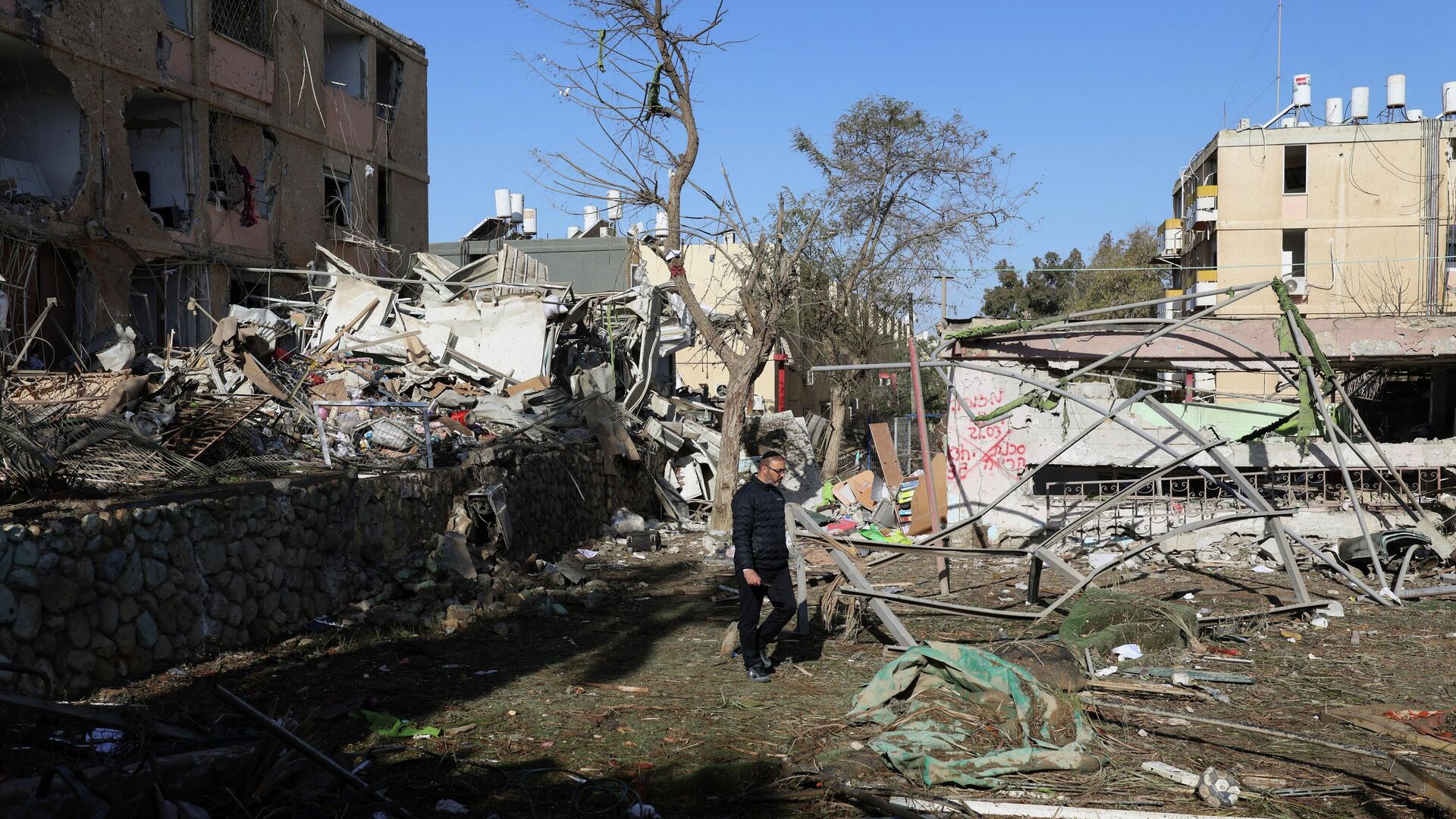
18:45 GMT 22.03.2026 (Updated: 18:47 GMT 22.03.2026) Iran carried out missile strikes on Israeli towns of Dimona and Arad on March 21.
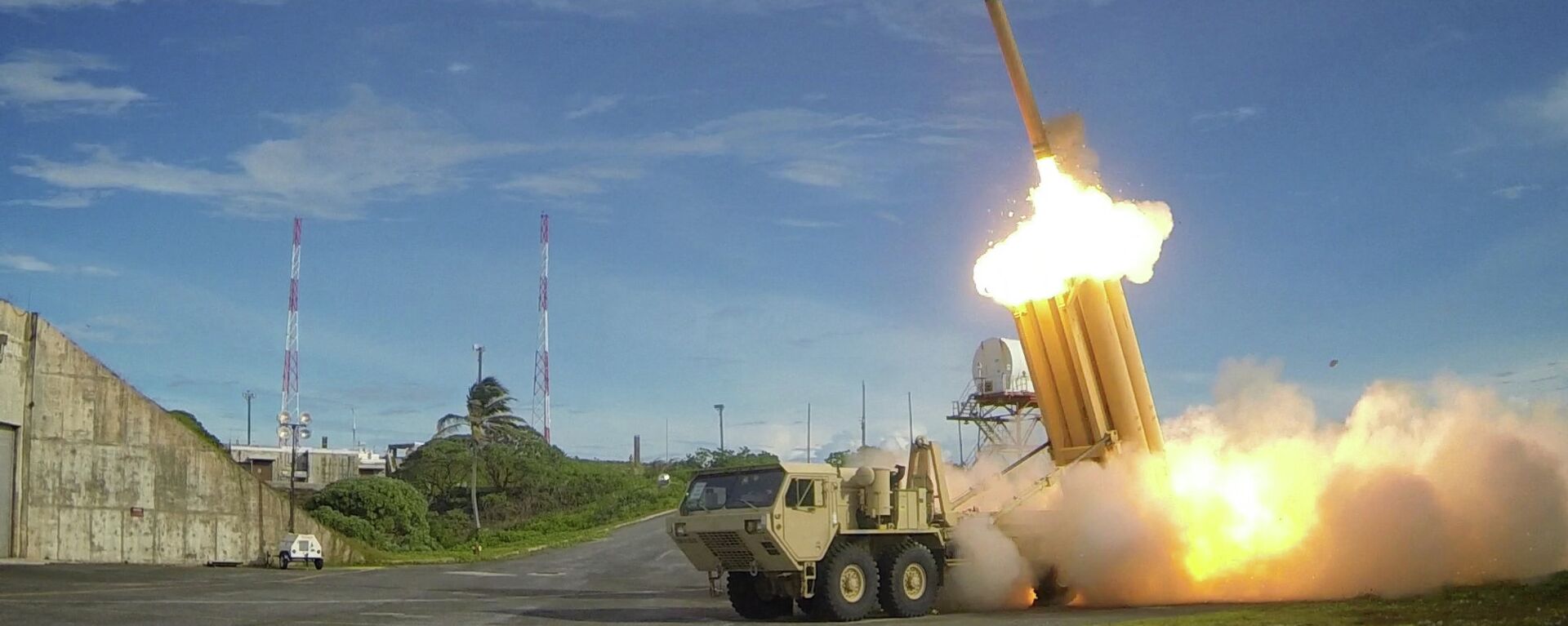
Air defense systems like THAAD and Iron Dome may be highly capable but they still struggle with combined missile and drone attacks from multiple directions, Imad Salamey, associate professor at the Lebanese American University, tells Sputnik.
“The vulnerability exposed here is not a single system failure, but the limits of even advanced layered defenses when overwhelmed by scale, coordination, and mixed attack profiles,” he explains in the wake of Iranian strikes against Dimona and Arad.
The cost of US missile defenses’ failure
The exposed weakness of the US missile defenses carries significant strategic implications for the Middle East, Salamey notes, as such weapons are widely used to protect US assets across the region.
The US opponents now see that missile and drone tech offer a cost-effective way to fight “technologically superior opponents” while the United States could be forced to reassess its force posture and “invest in more integrated defense architectures.”
What Iran’s control of Israeli airspace could mean
If Iran shows that it can strike high-value targets in Israel repeatedly, it would shift the dynamics of this conflict, Salamey adds. By thus imposing higher costs on Israel and compounding its “freedom of action,” Iran may either push the conflict toward either escalation or “toward indirect negotiation, as both sides weigh the rising risks and diminishing returns of continued attacks.”