https://sputnikglobe.com/20260326/iran-seeks-to-legalize-fees-for-vessels-transiting-strait-of-hormuz---lawmaker-1123898544.html
Iran Seeks to Legalize Fees for Vessels Transiting Strait of Hormuz - Lawmaker
Iran Seeks to Legalize Fees for Vessels Transiting Strait of Hormuz - Lawmaker
Sputnik International
Iran wants to legalize fees for vessels passing through the Strait of Hormuz, Iranian parliament member Mohammadreza Rezaei Kouchi said on Thursday.
2026-03-26T11:26+0000
2026-03-26T11:26+0000
2026-03-26T11:26+0000
world
iran
strait of hormuz
middle east
tehran
fees
vessels
naval vessel
vessel
https://cdn1.img.sputnikglobe.com/img/07ea/03/12/1123842827_0:104:2000:1229_1920x0_80_0_0_4edebd3eea9320a27fb1ca5caa4b8cff.jpg
"We want to develop a bill in which sovereignty, dominance and control over the Strait of Hormuz will be considered law, creating a source of revenue for the country through tolls. A preliminary version is ready, but it does not yet represent a full-fledged bill," the lawmaker was quoted as saying by Tasmin. He added that the fees would be necessary "to ensure the safety of vessels" passing through the waterway connecting the Persian Gulf and the Gulf of Oman. Work on the bill will continue in the near future, after which it will be considered at an an open session of parliament. Iranian Deputy Foreign Minister Vahid Jalalzadeh has said that Tehran is developing a new legal regime for the Strait of Hormuz, which will take effect after the conflict ends, with Iran planning to cooperate with Oman on this matter. On March 24, Bloomberg reported that Tehran had begun charging up to $2 million for commercial vessels transiting the Strait of Hormuz. On February 28, the United States and Israel launched strikes on targets in Iran, including in Tehran, causing damage and civilian casualties. Iran responded by striking Israeli territory and US military facilities in the Middle East. The escalation around Iran has led to the de facto blockade of the Strait of Hormuz, a key route for deliveries of oil and liquefied natural gas from the Persian Gulf countries to the global market, and has also affected the level of oil exports and production in the region, driving up prices.
https://sputnikglobe.com/20260326/iran-allows-passage-through-hormuz-for-friendly-countries--araghchi-1123895404.html
iran
strait of hormuz
tehran
Sputnik International
feedback@sputniknews.com
+74956456601
MIA „Rossiya Segodnya“
2026
Sputnik International
feedback@sputniknews.com
+74956456601
MIA „Rossiya Segodnya“
News
en_EN
Sputnik International
feedback@sputniknews.com
+74956456601
MIA „Rossiya Segodnya“
Sputnik International
feedback@sputniknews.com
+74956456601
MIA „Rossiya Segodnya“
strait of hormuz, iranian parliament member mohammadreza rezaei kouchi , vessels passing
strait of hormuz, iranian parliament member mohammadreza rezaei kouchi , vessels passing
Iran Seeks to Legalize Fees for Vessels Transiting Strait of Hormuz - Lawmaker
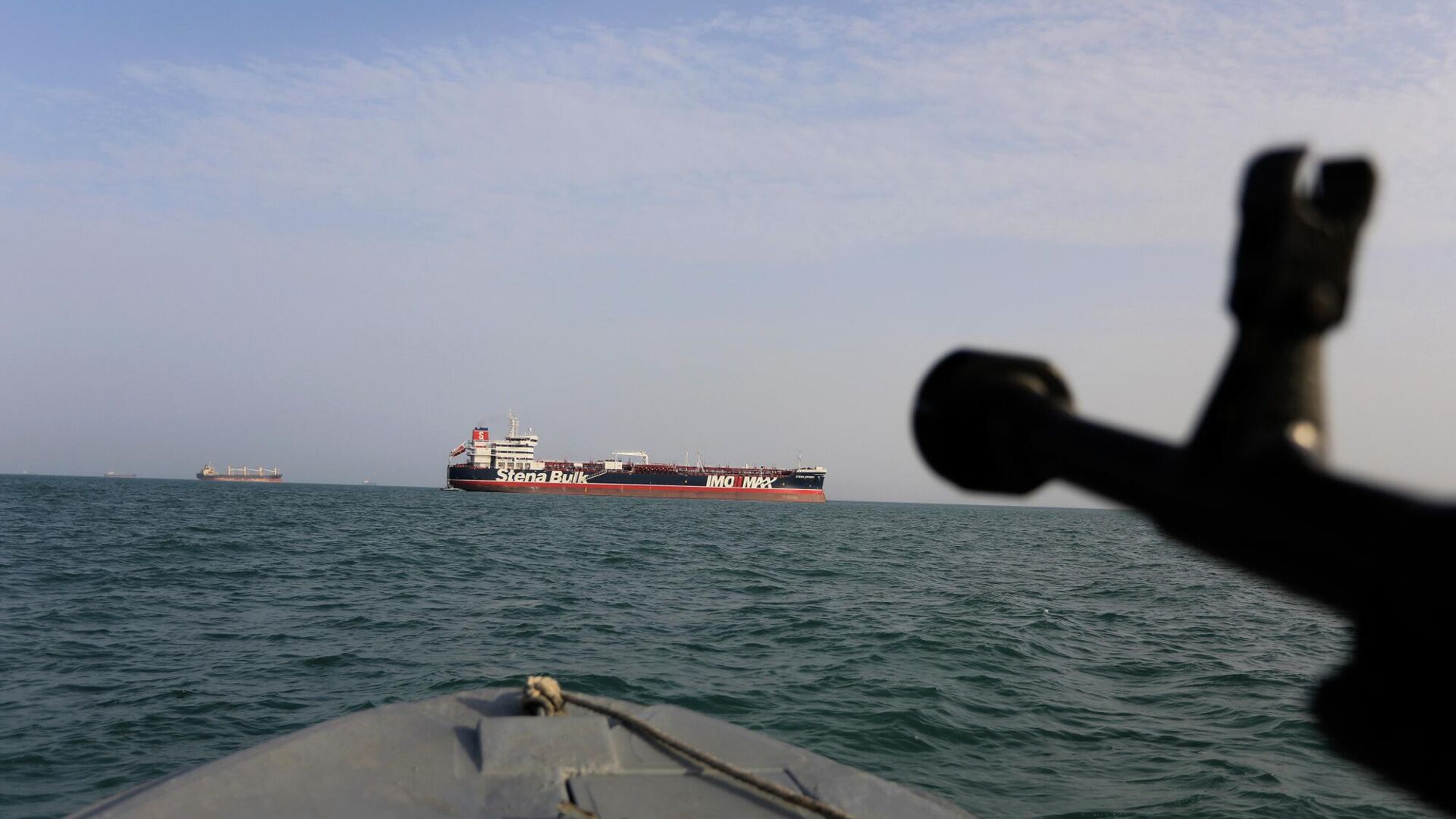
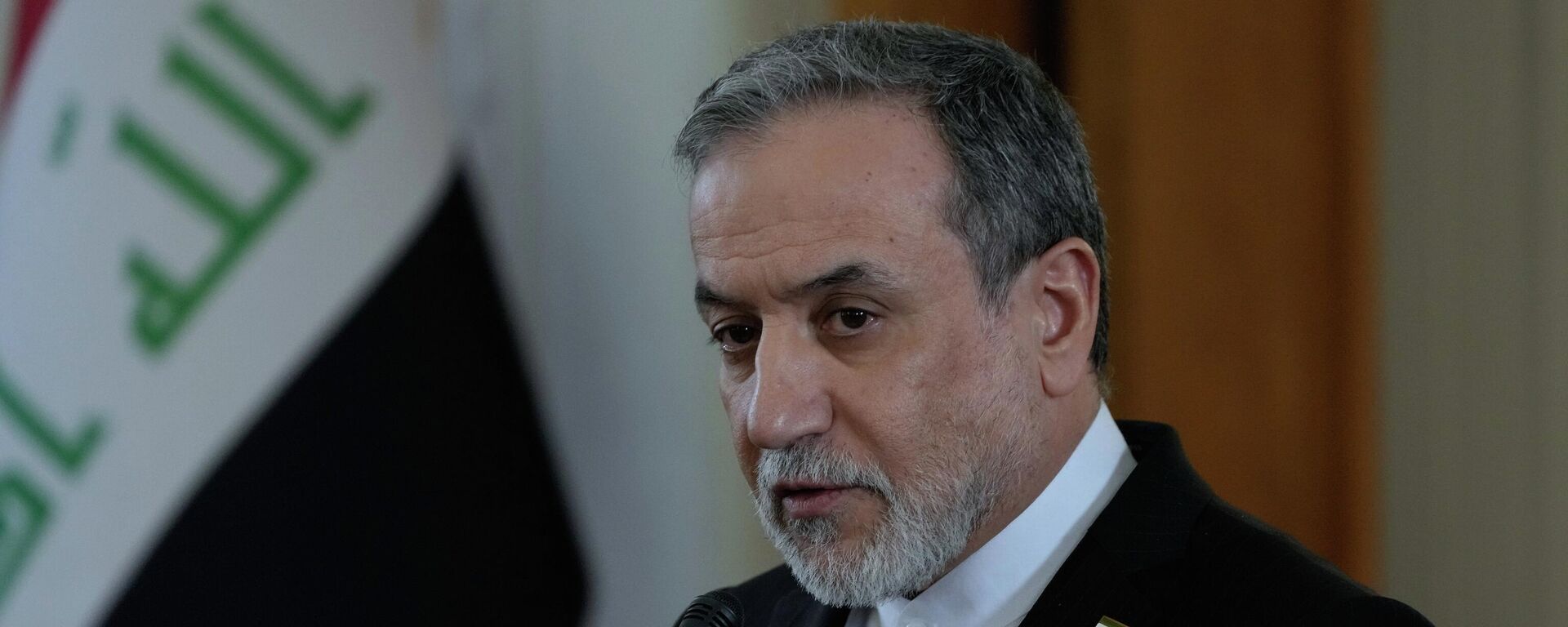
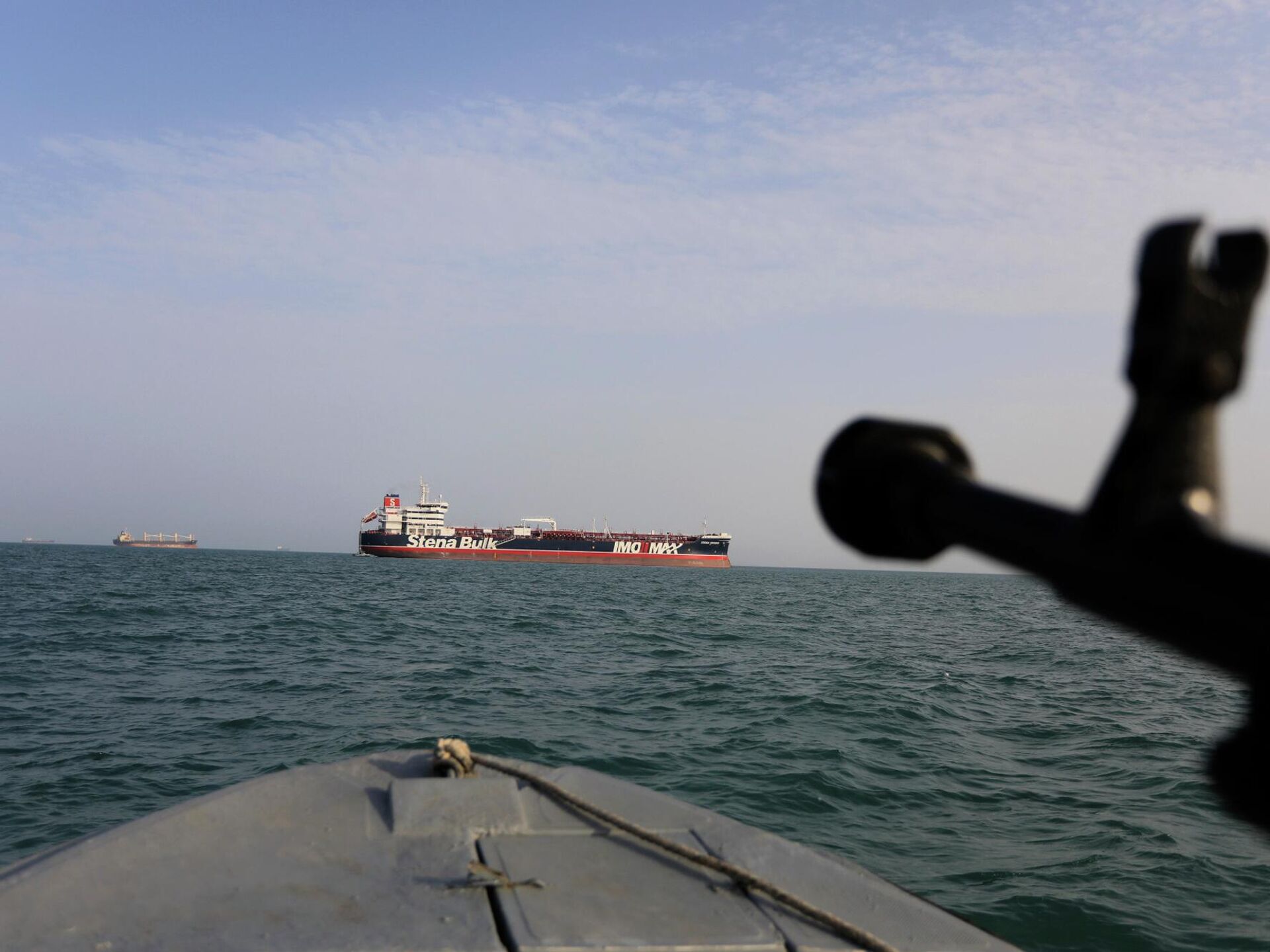
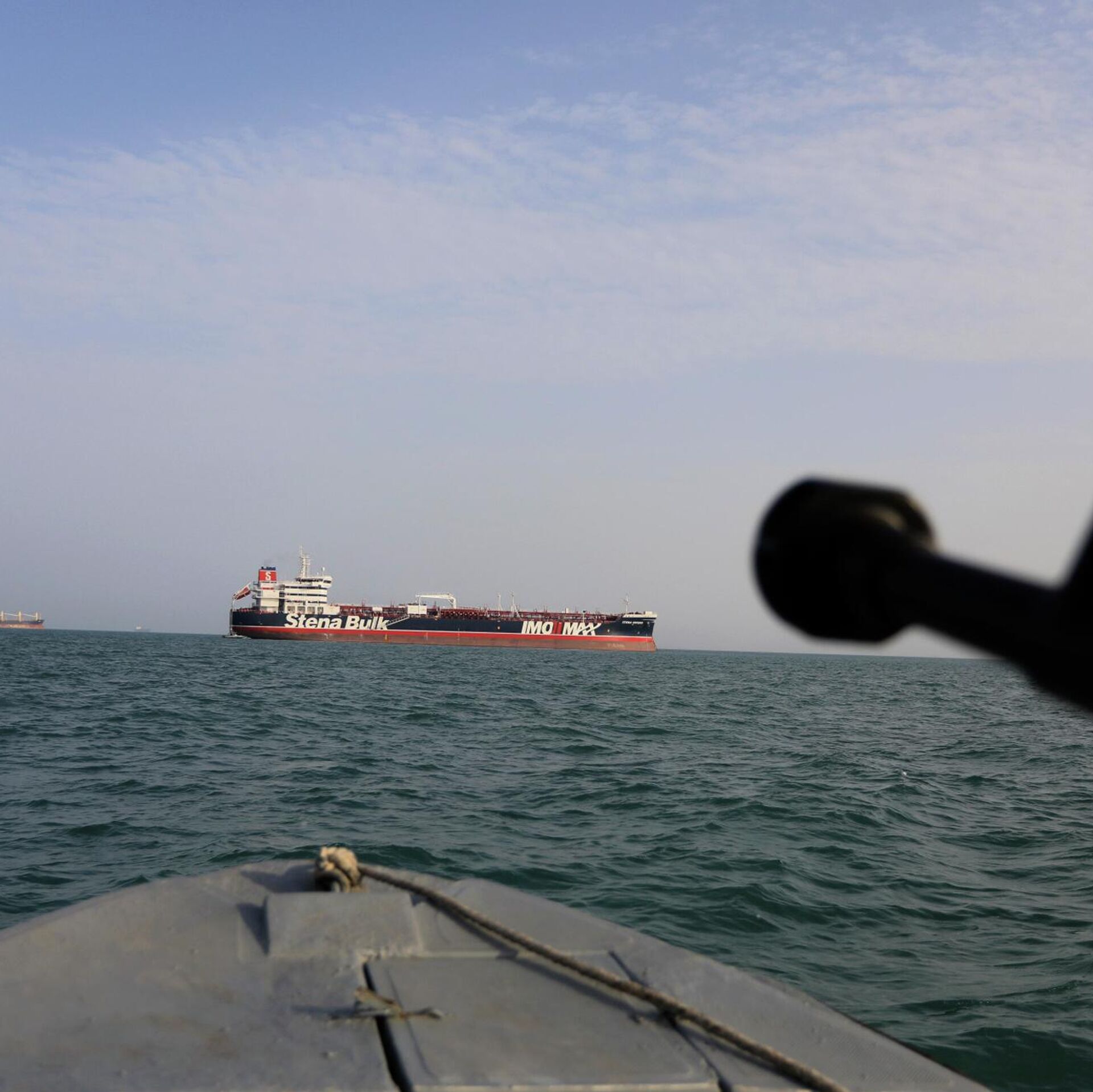
TEHRAN (Sputnik) - Iran wants to legalize fees for vessels passing through the Strait of Hormuz, Iranian parliament member Mohammadreza Rezaei Kouchi said on Thursday.
"We want to develop a bill in which sovereignty, dominance and control over the Strait of Hormuz will be considered law, creating a source of revenue for the country through tolls. A preliminary version is ready, but it does not yet represent a full-fledged bill," the lawmaker was quoted as saying by Tasmin. He added that the fees would be necessary "to ensure the safety of vessels" passing through the waterway connecting the Persian Gulf and the Gulf of Oman. Work on the bill will continue in the near future, after which it will be considered at an an open session of parliament.
Iranian Deputy Foreign Minister Vahid Jalalzadeh has said that Tehran is developing a new legal regime for the Strait of Hormuz, which will take effect after the conflict ends, with Iran planning to cooperate with Oman on this matter.
On March 24, Bloomberg reported that Tehran had begun charging up to $2 million for commercial
vessels transiting the Strait of Hormuz.
On February 28, the United States and Israel launched strikes on targets in Iran, including in Tehran, causing damage and civilian casualties. Iran responded by striking Israeli territory and US military facilities in the Middle East.
The escalation around Iran has led to the de facto blockade of the Strait of Hormuz, a key route for deliveries of oil and liquefied natural gas from the Persian Gulf countries to the global market, and has also affected the level of oil exports and production in the region, driving up prices.