https://sputnikglobe.com/20260401/bottlenecks-and-breakthroughs-can-pakistan-seize-its-moment-as-a-logistics-hub-1123931074.html
Bottlenecks and Breakthroughs: Can Pakistan Seize Its Moment As a Logistics Hub?
Bottlenecks and Breakthroughs: Can Pakistan Seize Its Moment As a Logistics Hub?
Sputnik International
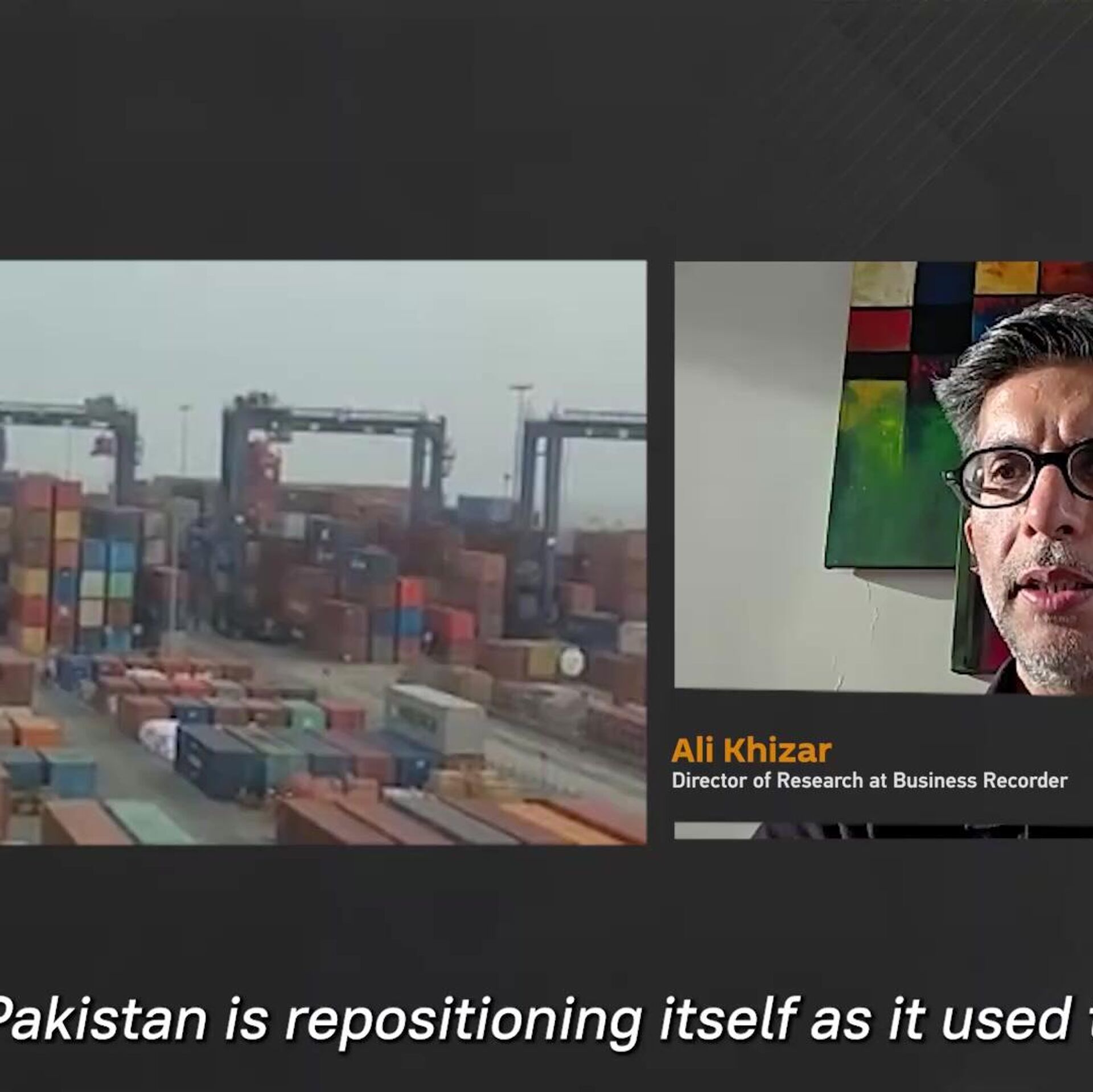
The surge in volumes was driven by the war; however, as risks escalate in the Gulf region, a sustained opportunity could emerge—provided Pakistan is prepared for it, Ali Khizar, Director of Research at Business Recorder, told Sputnik.
2026-04-01T16:01+0000
2026-04-01T16:01+0000
2026-04-01T16:01+0000
analysis
pakistan
karachi
gwadar
port
https://cdn1.img.sputnikglobe.com/img/07ea/04/01/1123930730_0:0:1920:1080_1920x0_80_0_0_7d9c18988fb283e617ef04d21db1d774.jpg
Pakistan's ports are handling 10 to 15 times their normal transshipment volumes. In just 30 days of conflict in the region, the country has moved more cargo than it did in all of last year."Those volumes are coming because of the war. But over time, when risk will be heightened in the Gulf region, there will be an opportunity to have it on a sustained manner, and we need to be prepared for it,” Ali Khizar, Director of Research at Business Recorder told Sputnik.The question is whether Pakistan can seize the opportunity—before it closes.Through tariff incentives and institutional reforms, Islamabad is positioning the country's ports as regional transshipment hubs. But infrastructure gaps and bureaucratic bottlenecks threaten to derail the momentum, Khizar warns.Pakistan needs to become part of global value chains, as this will offer the country an opportunity with limitless potential, Khizar emphasizes. It is not just about transshipment—it is only the beginning, he says. There are many other areas where Pakistan can generate volumes, allowing the country to integrate into the global value chain—where goods can arrive, be processed, and then be exported from Pakistan, the expert concludes.
https://sputnikglobe.com/20260312/iraqi-oil-ports-suspend-operations-following-attack-on-tankers---authorities-1123810792.html
pakistan
karachi
gwadar
Sputnik International
feedback@sputniknews.com
+74956456601
MIA „Rossiya Segodnya“
2026
Sputnik International
feedback@sputniknews.com
+74956456601
MIA „Rossiya Segodnya“
News
en_EN
Sputnik International
feedback@sputniknews.com
+74956456601
MIA „Rossiya Segodnya“
Ali Khizar, Director of Research at Business Recorder
Sputnik International
Ali Khizar, Director of Research at Business Recorder
2026-04-01T16:01+0000
true
PT1M57S
Sputnik International
feedback@sputniknews.com
+74956456601
MIA „Rossiya Segodnya“
pakistan, karachi, port, gwadar
pakistan, karachi, port, gwadar
Bottlenecks and Breakthroughs: Can Pakistan Seize Its Moment As a Logistics Hub?
The surge in volumes was driven by the war; however, as risks escalate in the Gulf region, a sustained opportunity could emerge—provided Pakistan is prepared for it, Ali Khizar, Director of Research at Business Recorder, told Sputnik.
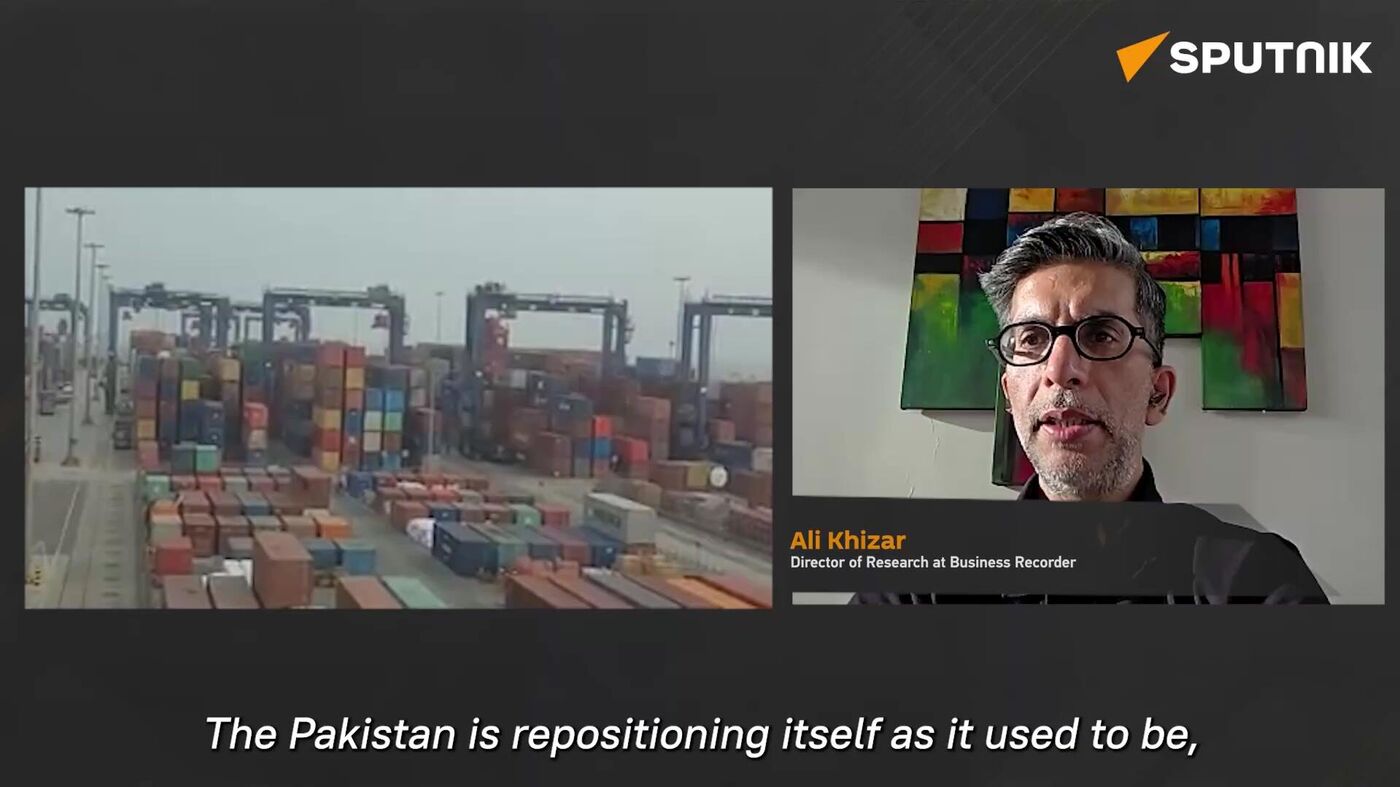
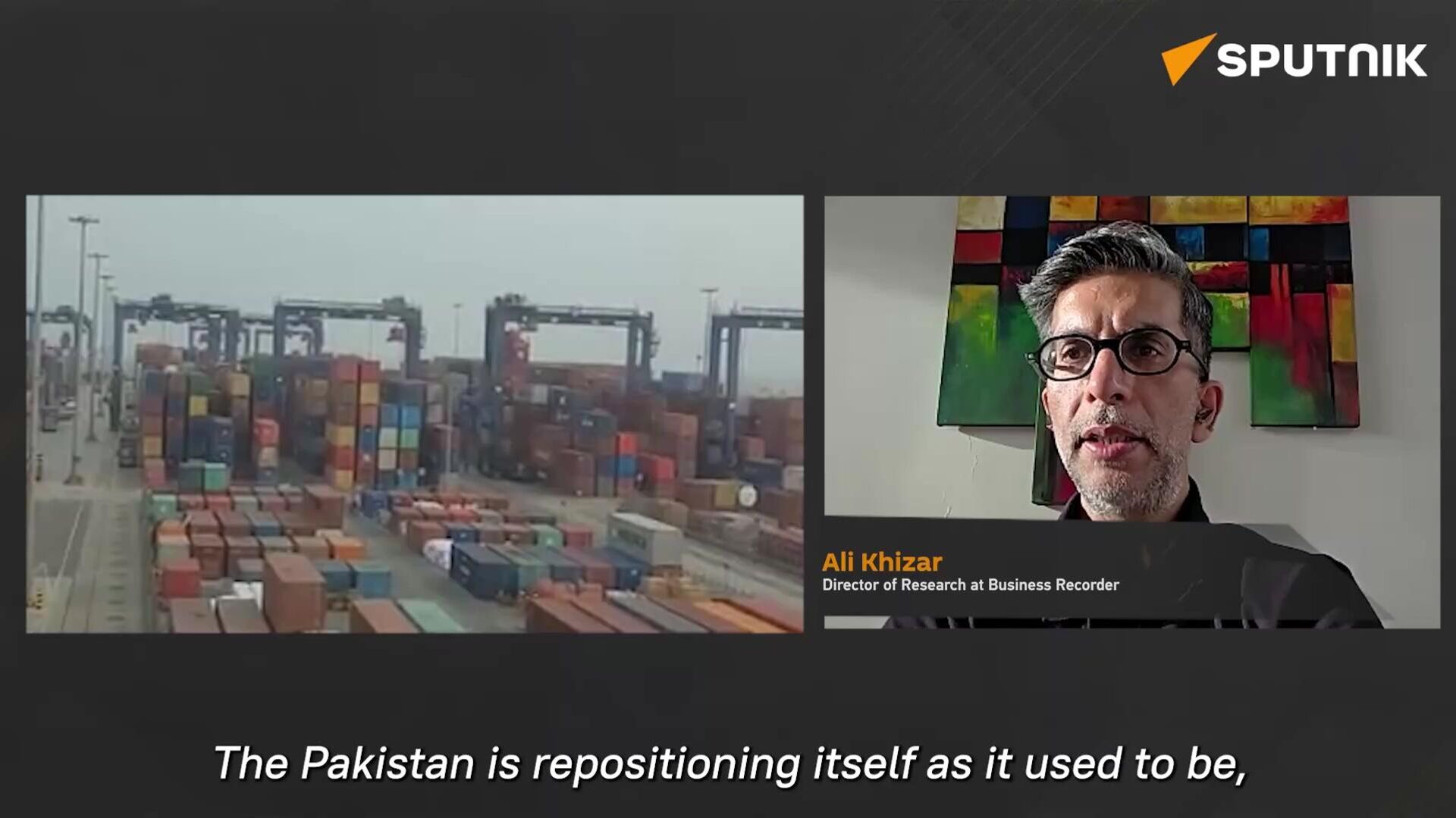
Pakistan's ports are handling 10 to 15 times their normal transshipment volumes. In just 30 days of conflict in the region, the country has moved more cargo than it did in all of last year.
"Those volumes are coming because of the war. But over time, when risk will be heightened in the Gulf region, there will be an opportunity to have it on a sustained manner, and we need to be prepared for it,” Ali Khizar, Director of Research at Business Recorder told Sputnik.
"Pakistan is repositioning itself as it used to be, the [regional logistics] hub in the 1960s. After that, with the rise of the Middle East, Pakistan lost its steam. Now, with the changing global world order, especially the regional world order, Pakistan has the opportunity to emerge.”
The question is whether Pakistan can seize the opportunity—before it closes.
Through tariff incentives and institutional reforms, Islamabad is positioning the country's ports as regional transshipment hubs. But infrastructure gaps and bureaucratic bottlenecks threaten to derail the momentum, Khizar warns.
"We need to work on gradually building the road infrastructure, the port infrastructure, airports, dry ports. And we need to work on the railway for moving goods to upcountry and to landlocked countries in Central Asia," he said.
Pakistan needs to become part of global value chains, as this will offer the country an opportunity with limitless potential, Khizar emphasizes. It is not just about transshipment—it is only the beginning, he says. There are many other areas where Pakistan can generate volumes, allowing the country to integrate into the global value chain—where goods can arrive, be processed, and then be exported from Pakistan, the expert concludes.