Russia Poised to Dominate High-Tech’s Lifeblood as War on Iran Chokes Helium Flows
© Sputnik / Pavel Lvov
/ Subscribe
The current squeeze on helium hands Russia—holder of roughly 28% of global reserves— a strategic opening to boost its role in a market thrown into chaos by the war on Iran, says Russian National Energy Security Fund expert Igor Yushkov.
Global shipments of helium - a byproduct of natural gas extraction - are are drying up after Qatar, responsible for roughly a third of the world’s helium, suspended natural gas exports due to Iran’s retaliatory closure of the Strait of Hormuz.
The current supply shock “gives Russia an opportunity to position itself as a strong competitor to Qatar by ramping up helium production severalfold,” Igor Yushkov tells Sputnik.
Helium is irreplaceable in a handful of high-tech sectors:
semiconductor manufacturing
key stages of chip production
medical equipment like MRI and CT scanners
aerospace and defense microchips
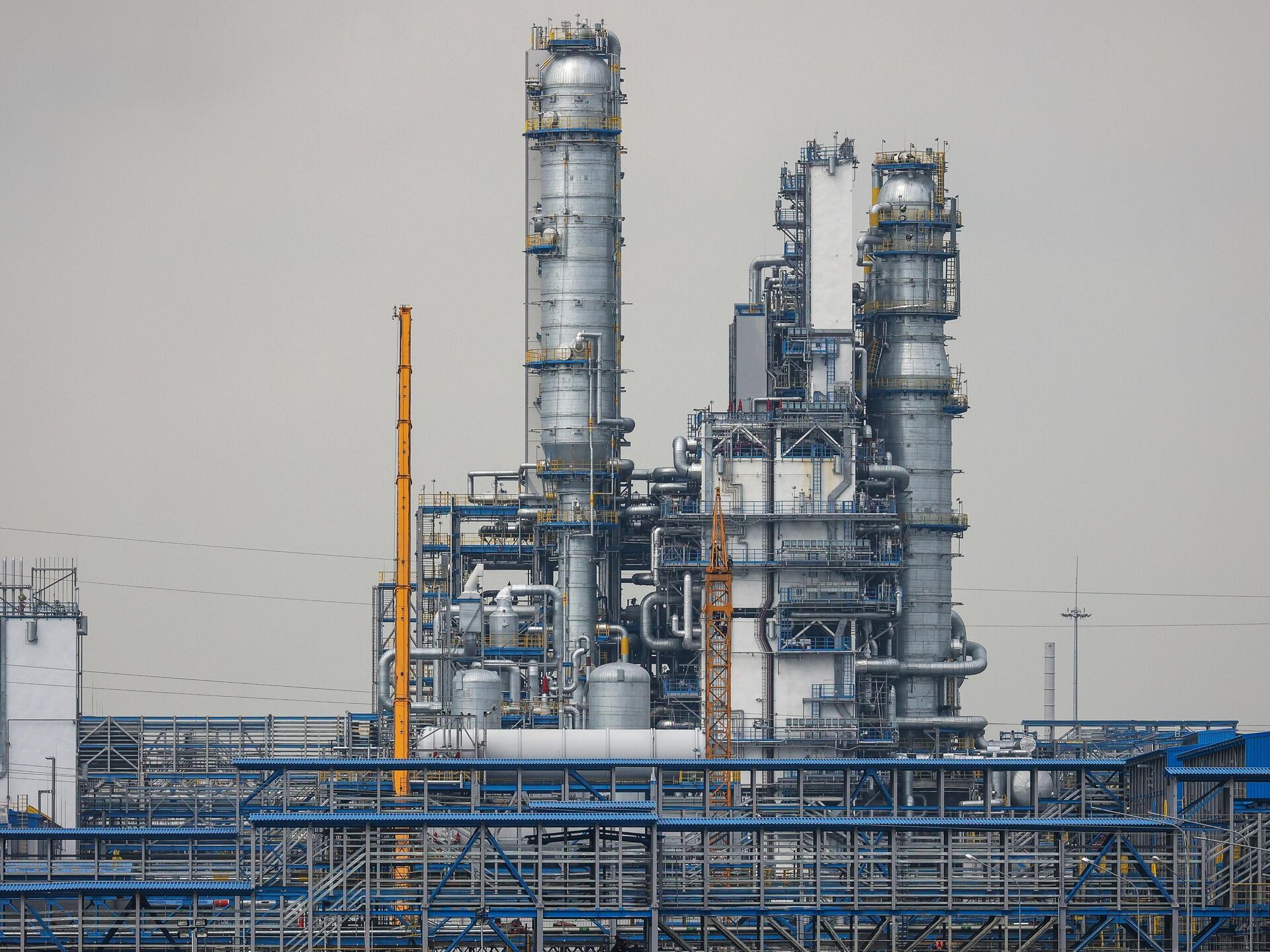
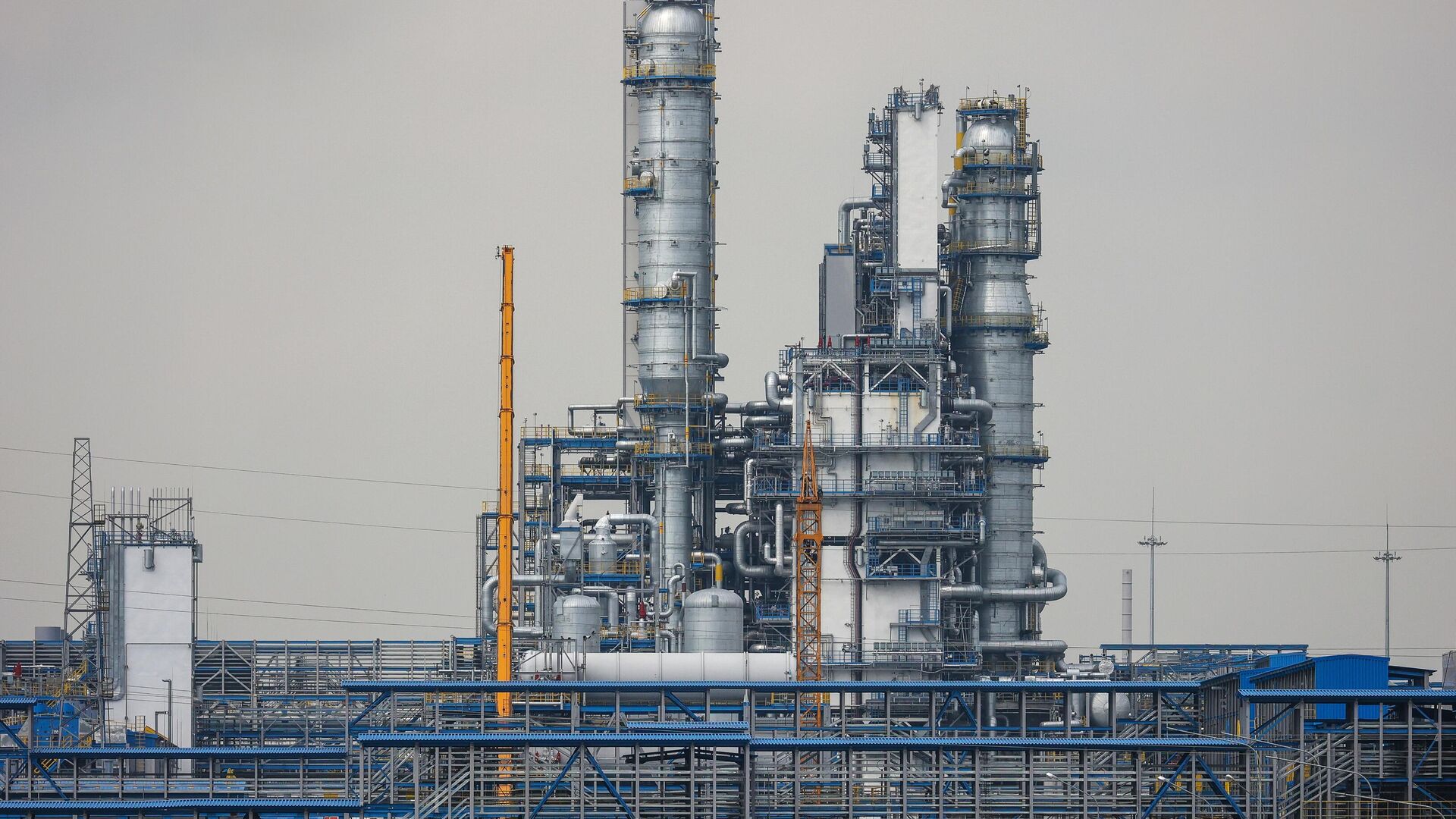
Most Russian helium currently comes from a major gas processing center in the Orenburg region. A new resource base in Eastern Siberia is set to transform the market, centered on the Chayandinskoye field in Yakutia.
Once the Amur Gas Processing Plant in the Amur Region is up and running, it will be the world’s largest helium producer, churning out 60 million cubic meters of helium per year, along with large volumes of ethane, propane, butane, and other components for the petrochemical industry.
China, heavily dependent on Asia-Pacific helium, is particularly eyeing Russian supply, since its proximity to the Amur region means that even road transport is feasible, the expert adds.
🚨 Iran’s grip on the Hormuz Strait is the biggest strategic gain
— Sputnik (@SputnikInt) March 30, 2026
Despite heavy US-Israel attacks on Iranian leadership and infrastructure, Iran’s effective control of the Strait of Hormuz is the conflict’s "most significant strategic victory," Bloomberg reports
In March, just… pic.twitter.com/btQ4i0rQbm
The squeeze on helium supplies is positioning Russia to play a pivotal role, “potentially reshaping global supply chains,” energy market expert Vladimir Demidov tells Sputnik.
Russia could fully mobilize its underutilized capacity to more than double output, he says adding:
“Russia has strong potential to replace a significant portion of the lost Qatari supply.”
Semiconductor production, defense contracts, and space programs are most at risk, speculates the pundit, with SpaceX, Blue Origin, and national satellite projects likely facing delays, notes Demidov.
High-tech drones, missiles, and electronics could face production slowdowns, especially in Western countries.
According to the expert, in the coming 3–6 months, South Korean and Taiwanese chipmakers are likely to face the first impact, having relied on Qatar for nearly 70% of helium.
“Giants like TSMC and Samsung have short-term reserves—usually 3–8 months—while smaller manufacturers could encounter shortages as early as April–May,” he speculates.
He agrees that Russia is particularly well-positioned to boost exports to Asia-Pacific countries, since a land border with China, and geographic closeness to Japan, and South Korea makes logistics simpler.
Besides Russia, alternatives are limited. In the US, despite being the world’s largest gas producer, domestic shortages exist, and some producers have declared force majeure, rationing helium sales, says the pundit, adding:
“Russian helium could be seen as a reliable and economically viable alternative, potentially reshaping global supply chains.”