https://sputnikglobe.com/20260510/irans-mosquito-fleet-turns-the-persian-gulf-into-a-nightmare-for-us-warships-1124107129.html
Iran’s ‘Mosquito Fleet’ Turns the Persian Gulf Into a Nightmare for US Warships
Iran’s ‘Mosquito Fleet’ Turns the Persian Gulf Into a Nightmare for US Warships
Sputnik International
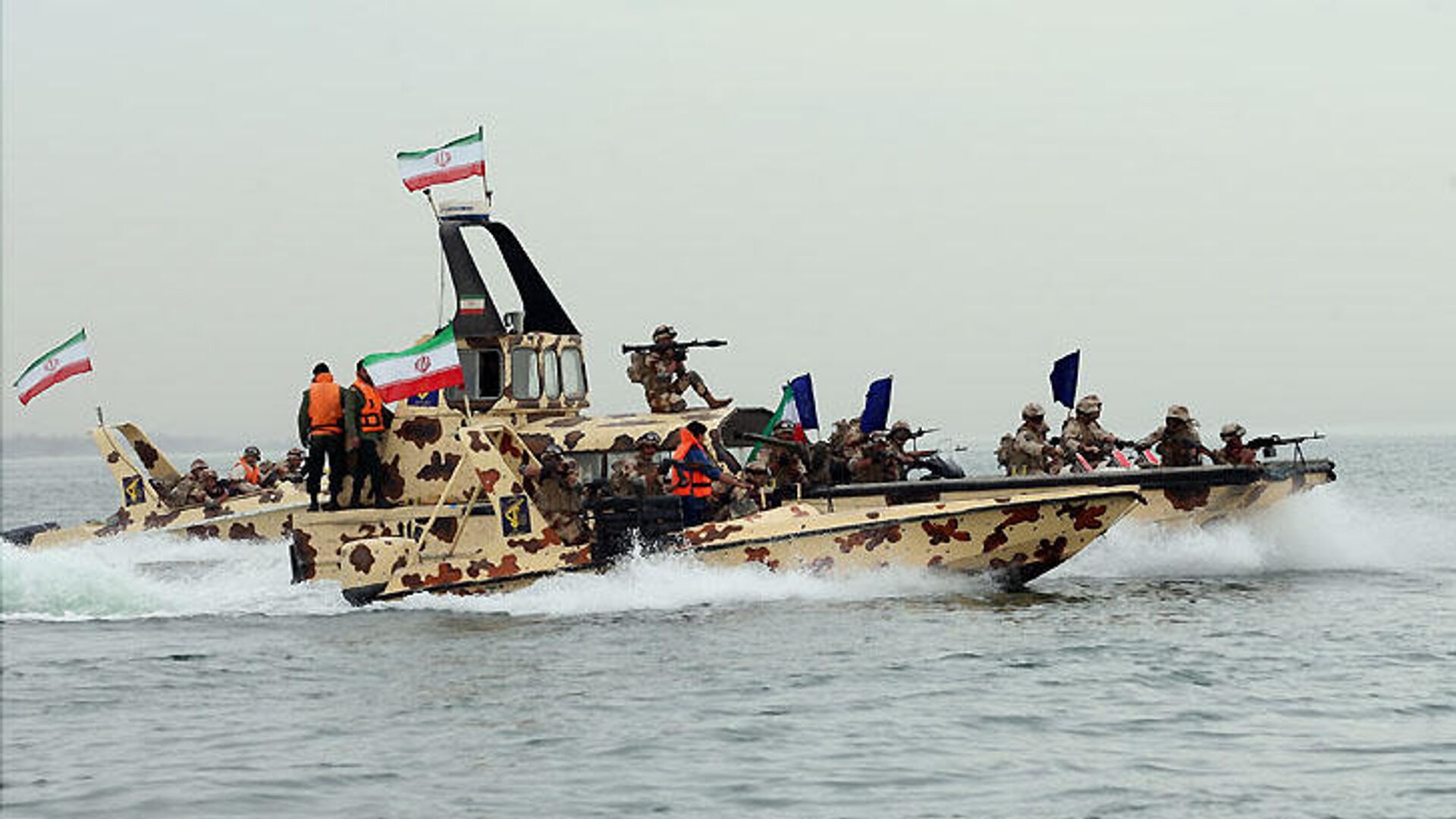
Iranian authorities are using a so-called "mosquito fleet" of hundreds of boats to control the Strait of Hormuz, the Financial Times reported citing experts.
2026-05-10T08:59+0000
2026-05-10T08:59+0000
2026-05-10T08:59+0000
us-israel war on iran
iran
strait of hormuz
middle east
persian gulf
us
https://cdn1.img.sputnikglobe.com/img/07e6/01/0a/1092156645_0:48:727:457_1920x0_80_0_0_4de9a6af5831293b181c58a168a2a2e4.jpg
According to the Financial Times, some of the boats are lightly armed, but others are equipped with short-range missiles. The publication emphasizes that, combined with the Islamic Revolutionary Guard Corps' (IRGC) arsenal of missiles and drones, they have helped Iran "maintain a threat" sufficient to deter ships from transiting the Strait of Hormuz. The publication claims that the "mosquito fleet" is Iran's most active surface force. According to the newspaper, the Iranian navy allegedly uses both cheap, easily replaceable Iranian-made boats and more sophisticated models. The "mosquito fleet" could play a central role in controlling the Strait of Hormuz even after hostilities with the US and Israel end, the publication believes. On February 28, the US and Israel began striking targets in Iran, killing over 3,000 people. Washington and Tehran declared a ceasefire on April 8. Subsequent talks in Islamabad ended inconclusively, with no resumption of hostilities reported, but the United States began a blockade of Iranian ports.
https://sputnikglobe.com/20260430/iran-to-continue-managing-persian-gulf-hormuz-strait-without-us-presence---supreme-leader-1124064779.html
iran
strait of hormuz
persian gulf
Sputnik International
feedback@sputniknews.com
+74956456601
MIA „Rossiya Segodnya“
2026
Sputnik International
feedback@sputniknews.com
+74956456601
MIA „Rossiya Segodnya“
News
en_EN
Sputnik International
feedback@sputniknews.com
+74956456601
MIA „Rossiya Segodnya“
Sputnik International
feedback@sputniknews.com
+74956456601
MIA „Rossiya Segodnya“
iran, strait of hormuz, middle east, persian gulf, us
iran, strait of hormuz, middle east, persian gulf, us
Iran’s ‘Mosquito Fleet’ Turns the Persian Gulf Into a Nightmare for US Warships
MOSCOW (Sputnik) - Iranian authorities are using a so-called "mosquito fleet" of hundreds of boats to control the Strait of Hormuz, the Financial Times reported citing experts.
According to the Financial Times, some of the boats are lightly armed, but others are equipped with short-range missiles. The publication emphasizes that, combined with the Islamic Revolutionary Guard Corps' (IRGC) arsenal of missiles and drones, they have helped Iran "maintain a threat" sufficient to deter ships from transiting the Strait of Hormuz.
In April, experts told the National Defense magazine that Iran, with its "mosquito fleet" of approximately 20 Ghadir-class mini-submarines and several thousand high-speed missile and attack boats, could effectively counter the US Navy in the Strait of Hormuz and the Persian Gulf.
The publication claims that the "mosquito fleet" is Iran's most active surface force. According to the newspaper, the Iranian navy allegedly uses both cheap, easily replaceable Iranian-made boats and more sophisticated models.
The "mosquito fleet" could play a central role in controlling the Strait of Hormuz even after hostilities with the US and Israel end, the publication believes.
On February 28, the US and Israel began striking targets in Iran, killing over 3,000 people. Washington and Tehran declared a ceasefire on April 8. Subsequent talks in Islamabad ended inconclusively, with no resumption of hostilities reported, but the United States began a blockade of Iranian ports.






.jpg)